

Breaking the cycle of child labour in Uganda’s Rwenzori coffee belt
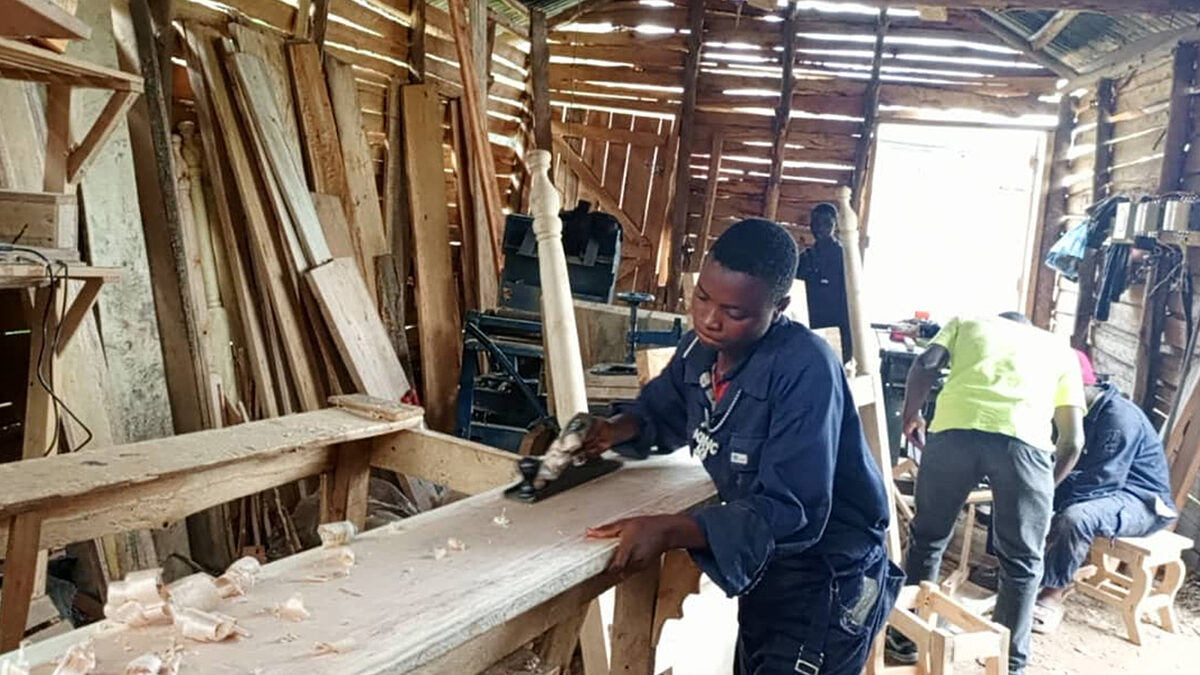
How Volcafe's Youth Farmer Programme in Uganda is breaking the cycle of child labour in the Rwenzori coffee belt, one skilled trade at a time.
The harvest that costs a childhood
In the green folds of the Rwenzori Mountains, coffee sustains livelihoods. Yet for many households, this has long come at a cost.
Behind every child absent from school is a constrained decision. Local impact research carried out by AidEnvironment in the Rwenzori region confirmed a reality widely recognised by teachers and communities: child labour is not driven by a lack of awareness, but by a lack of viable alternatives.
Poverty, the weight of domestic responsibilities, and the cost of education leave families with limited options. During the harvest season, when labour demand peaks and cash needs intensify, children are often drawn into the workforce. In this context, the issue is structural – and so must be the response.
Child labour is not a problem of values, it is an absence of options
A systemic response
Volcafe’s programme in Uganda was designed with this premise in mind: child labour cannot be addressed in isolation. It requires tackling the underlying economic and social drivers simultaneously.
Launched in March 2024 in partnership with the Centre for Rural Development (CEFORD) and Rainforest Alliance, and co-funded by the Dutch Government Agency (RVO Fund), the Rwenzori Education, Livelihoods and Gender Project takes an integrated approach built on three mutually reinforcing pillars:
- strengthening farm productivity and income from coffee
- creating alternative livelihood pathways for households
- equipping youth at the threshold of the labour market with viable economic opportunities
Together, these interventions aim to reduce the economic pressure points that lead to child labour in the first place.
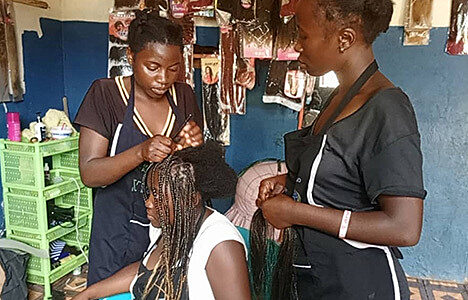
Young women complete hands-on training in hairdressing, one of five trades chosen to match real demand in local trading centres.
Unlocking economic pathways for youth
A central component of the programme is its focus on young people aged 14–17, a group often at the intersection of education, work, and household vulnerability.
The project provides vocational training in trades aligned with local market demand, including welding and metal fabrication, tailoring, hairdressing, carpentry and joinery, and motorcycle repair. Training is designed to be practical and directly linked to income generation.
Crucially, this is not limited to classroom instruction. Participants transition into structured apprenticeships with local artisans, enabling them to apply their skills in real working environments and begin generating income. This model creates a clear pathway from training to employment, anchored within existing local economies.
Early results on the ground
Initial results point to tangible shifts at both household and community level:
140 young people trained in market-relevant vocational skills
80 youth placed in apprenticeships with local businesses
5 vocational pathways aligned with local demand
A three-pillar model implemented in parallel across livelihoods, farming, and youth engagement.
Beyond these figures, early feedback from communities indicates reduced school absenteeism and improved household financial stability.
Village Savings and Loans Associations (VSLAs) are playing a critical role in this shift. By enabling families to build savings and access small loans, they provide a buffer against the financial shocks – such as school fees or unexpected expenses – that have historically driven child labour. At the same time, youth earning their own income further reduces pressure on household budgets.
The result is a gradual rebalancing of decision-making at household level: more predictable income, improved financial planning, and increased capacity to prioritise education.
Designed for scale and longevity
The programme has been structured to deliver impact beyond its initial duration, with scalability and long-term value embedded from the outset.
Several features underpin this approach:
- Transferable skills: Vocational trades can be applied across locations and over time, supporting sustained employability and income generation.
- Local economic integration: Apprenticeships are embedded within existing businesses, strengthening local value chains and ensuring continuation beyond the project cycle.
- Financial resilience mechanisms: VSLAs operate independently and continue to provide access to savings and credit after external support decreases.
- Strengthened farm economies: Improved productivity in coffee farming supports more stable household incomes, reinforcing the economic foundation required to sustain change.
Together, these elements create a model that is both replicable and adaptable across other coffee-growing regions facing similar structural challenges
Advancing inclusive opportunities
In parallel, the programme integrates a deliberate focus on gender inclusion.
Vocational training is expanding access to income-generating opportunities for young women, particularly in trades such as tailoring and hairdressing, where pathways to formal earnings have historically been limited. At the same time, traditionally male-dominated trades – including welding, carpentry and motorcycle repair – are increasingly accessible to young women, contributing to a broader shift in perceived roles and opportunities.
This dual approach addresses both economic and social barriers, supporting more inclusive participation in local economies.
A long-term shift
Addressing child labour in coffee-growing communities requires more than short-term interventions. It requires creating the conditions in which households are no longer forced to rely on it.
In the Rwenzori region, this programme is contributing to that shift – not through a single solution, but through a system of aligned interventions that strengthen livelihoods, expand opportunities, and build resilience over time.
The results are still emerging, but the direction is clear: when households have viable economic alternatives, the need for child labour declines – and the next generation can remain where it belongs, in school and in control of its future.
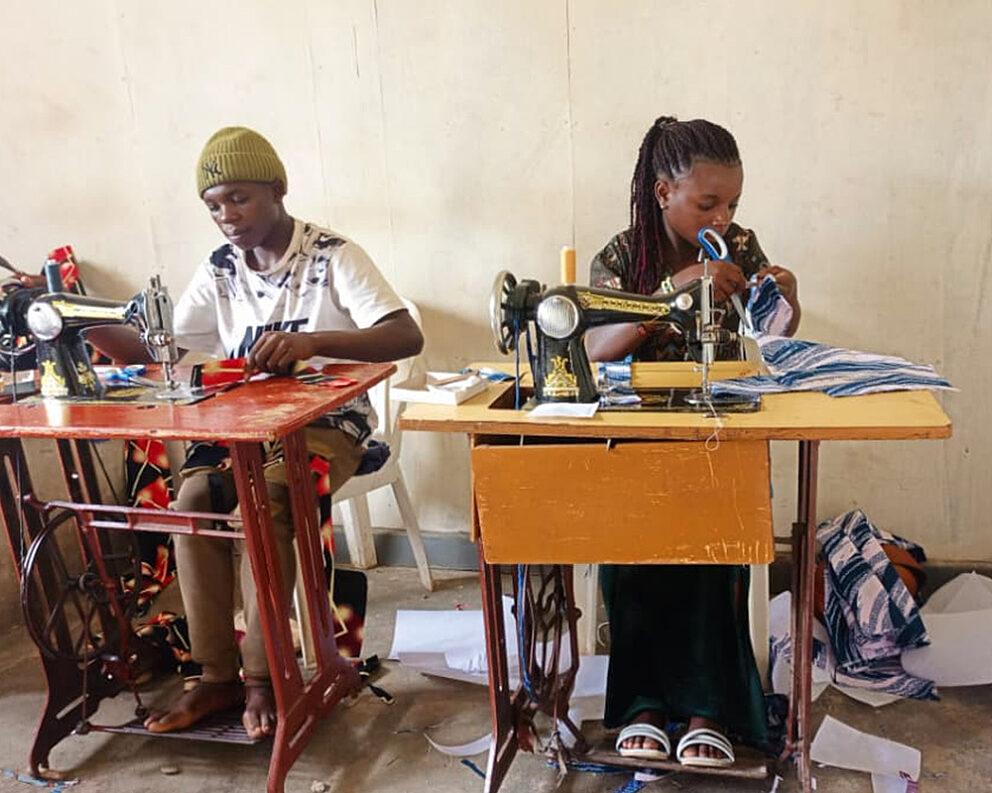
Trainees graduating from the tailoring track. For many young women in the Rwenzori region, this is the first formal skill that translates directly into income.
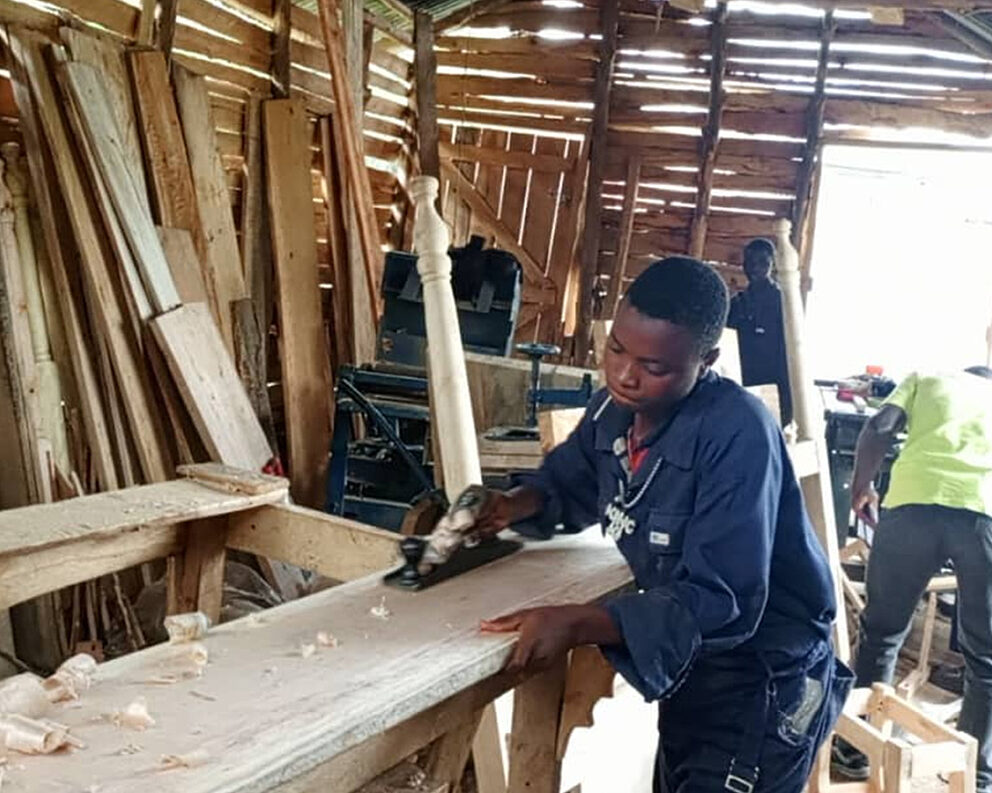
A graduate of the carpentry and joinery track. Vocational pathways are deliberately offered across traditionally gendered trades to widen options for both young women and young men
Marie Renou-Ullrich, Head of Marketing and Communications, email hidden; JavaScript is required
Related news:

Spotlight
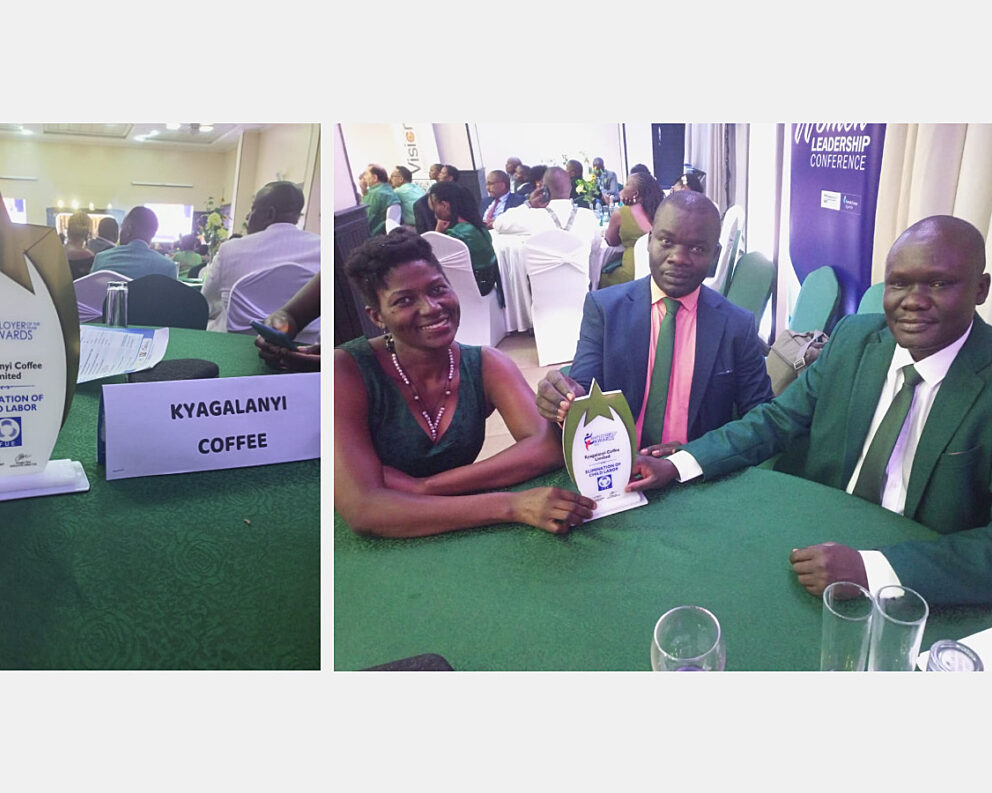
Kyagalanyi Coffee given prize by national employers federation
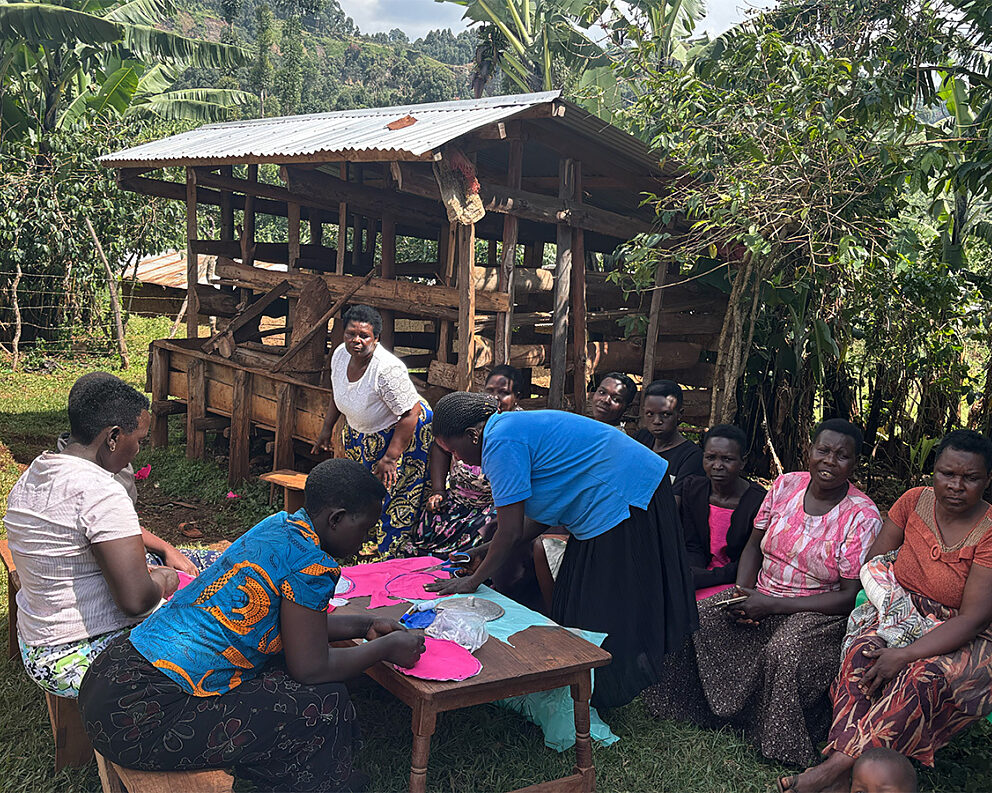
Village Savings and Loan Associations empower communities to tackle local challenges and support girls’ education.
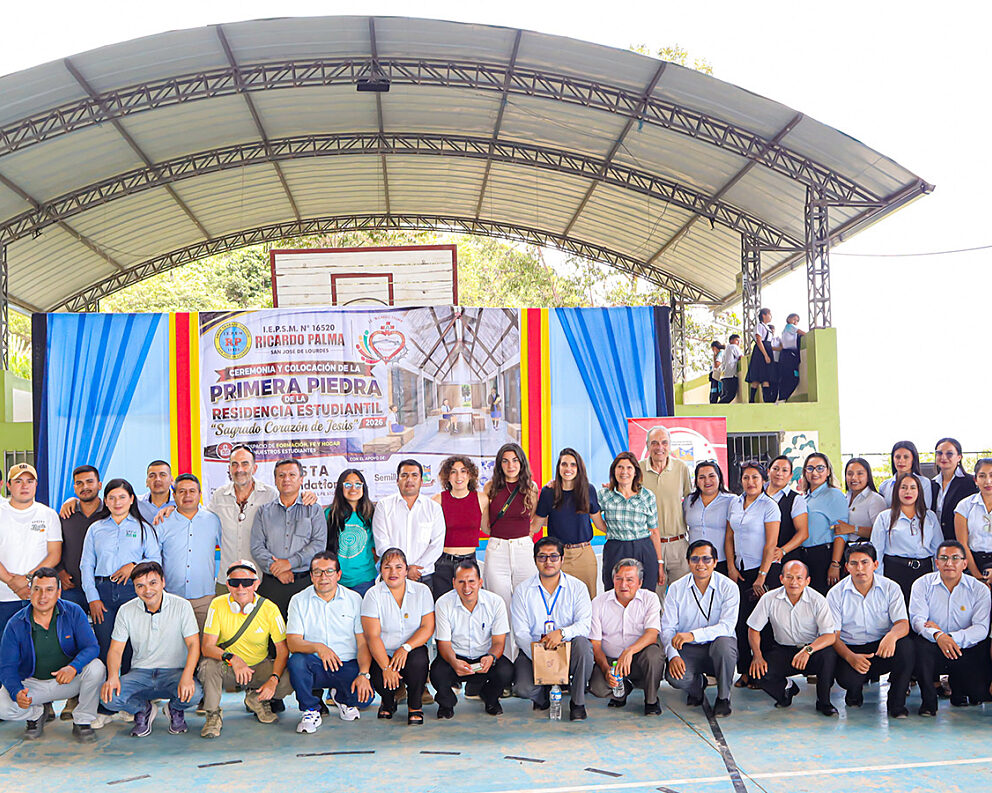
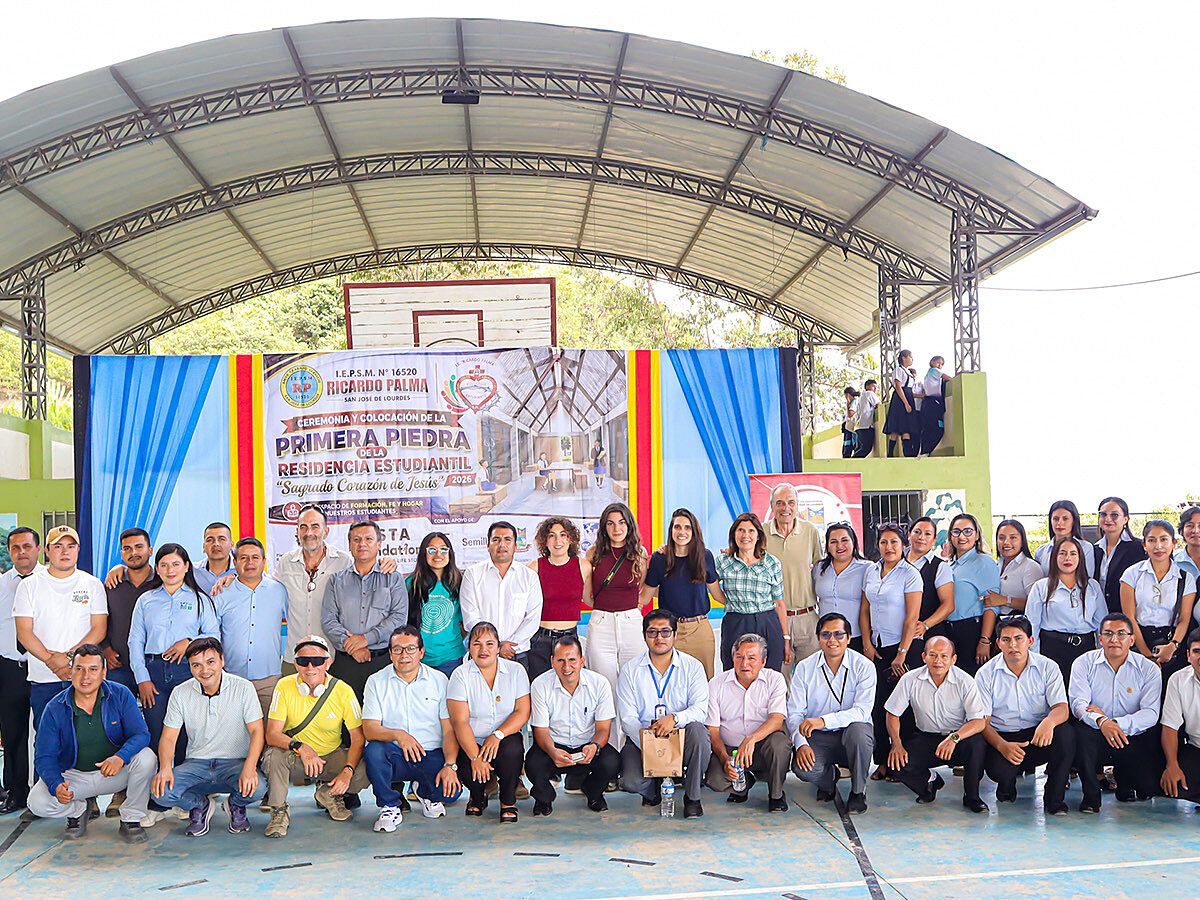
A new student residence in Cajamarca will help young people stay in school, strengthen opportunities for rural families and support efforts to address child labour risks in coffee-growing communities.
Spotlight
Kyagalanyi Coffee given prize by national employers federation
Village Savings and Loan Associations empower communities to tackle local challenges and support girls’ education.
A new student residence in Cajamarca will help young people stay in school, strengthen opportunities for rural families and support efforts to address child labour risks in coffee-growing communities.