

School project in Peru earns international recognition
La Jalquilla School receives a global architecture award for its community-centred design in a coffee-growing region
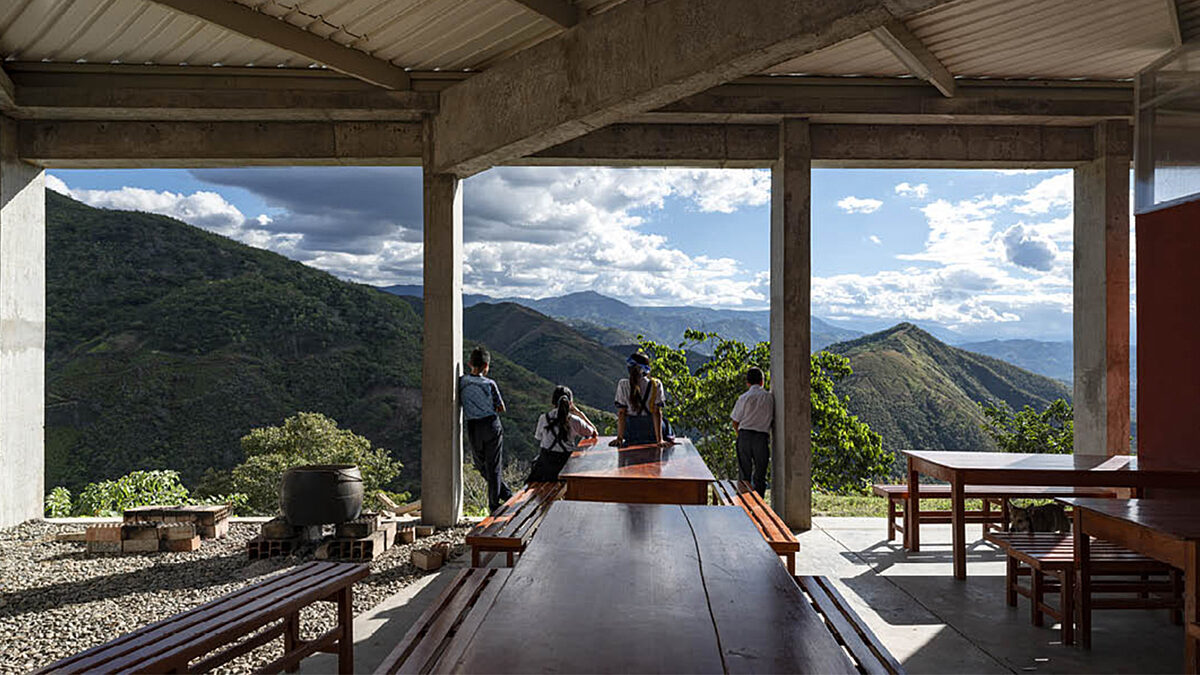
Educational spaces can have a lasting impact on rural communities, creating opportunities not only for students but also for future generations. In northern Peru, one such project has recently gained international recognition.
Earlier this year, La Jalquilla Primary and Secondary School, located in San Ignacio, Cajamarca, was awarded second place in ArchDaily's Project of the Year 2026, one of the world's leading architecture platforms. The project was also recognised as a finalist in the Quito Architecture Biennial (BAQ) 2024 in the Educational Facilities category.
The school was developed through a collaboration between Volcafe's team in Peru, Costa Foundation, local authorities, Semillas, an innovative architectural NGO, and the community itself. From the outset, local residents played an active role in shaping the project, helping ensure that the design responded to the realities and aspirations of the people it was created to serve.
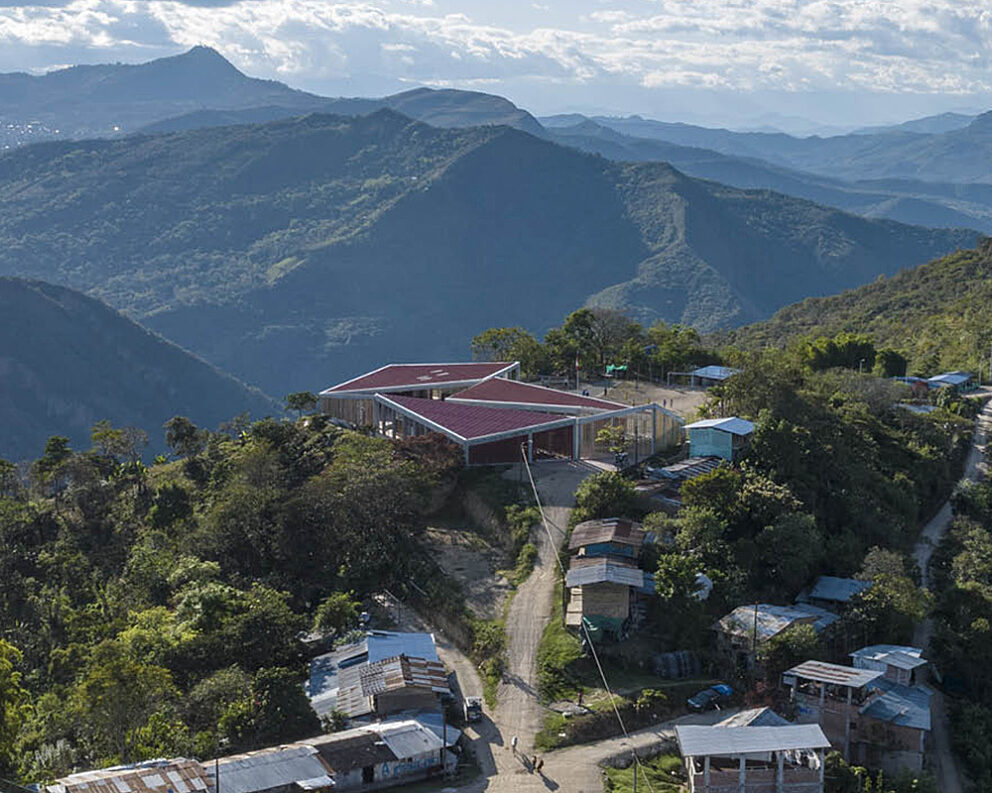
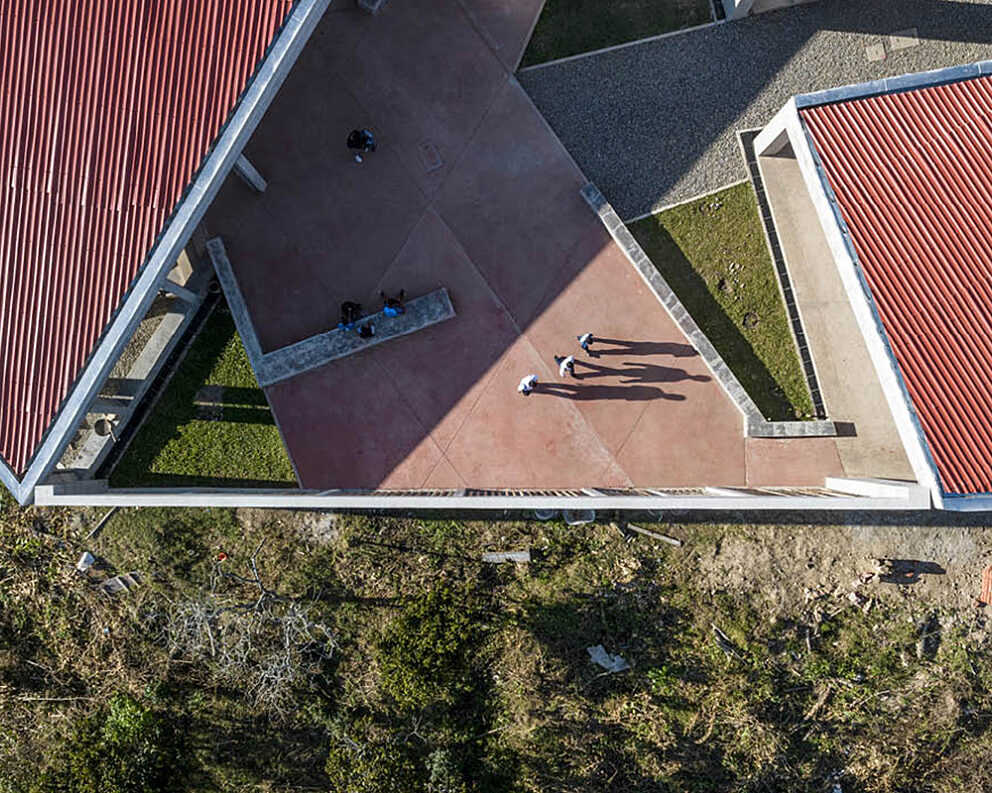
Built using locally sourced materials, including bamboo, the school today serves more than 110 primary and secondary students per year. Beyond providing classrooms, it creates a space where learning, community engagement, and local identity come together. Its design connects education with the surrounding environment, incorporating shared spaces that encourage interaction and strengthen ties between the school and the community.
The recognition from ArchDaily highlights the value of designing educational infrastructure around local needs and knowledge. It also demonstrates how partnerships between communities, development organisations, and local institutions can create lasting impact in coffee-growing regions.
While the award celebrates an important achievement, its significance extends beyond architecture. For the students, families, and educators who use the space every day, La Jalquilla represents greater access to education, stronger community connections, and new opportunities for the future. The project also reflects Volcafe's commitment to responsible citizenship, supporting initiatives that strengthen the social foundations of coffee-growing communities through improved access to education and opportunity.
Marie Renou-Ullrich, Head of Marketing and Communications, email hidden; JavaScript is required
Related news:

Spotlight
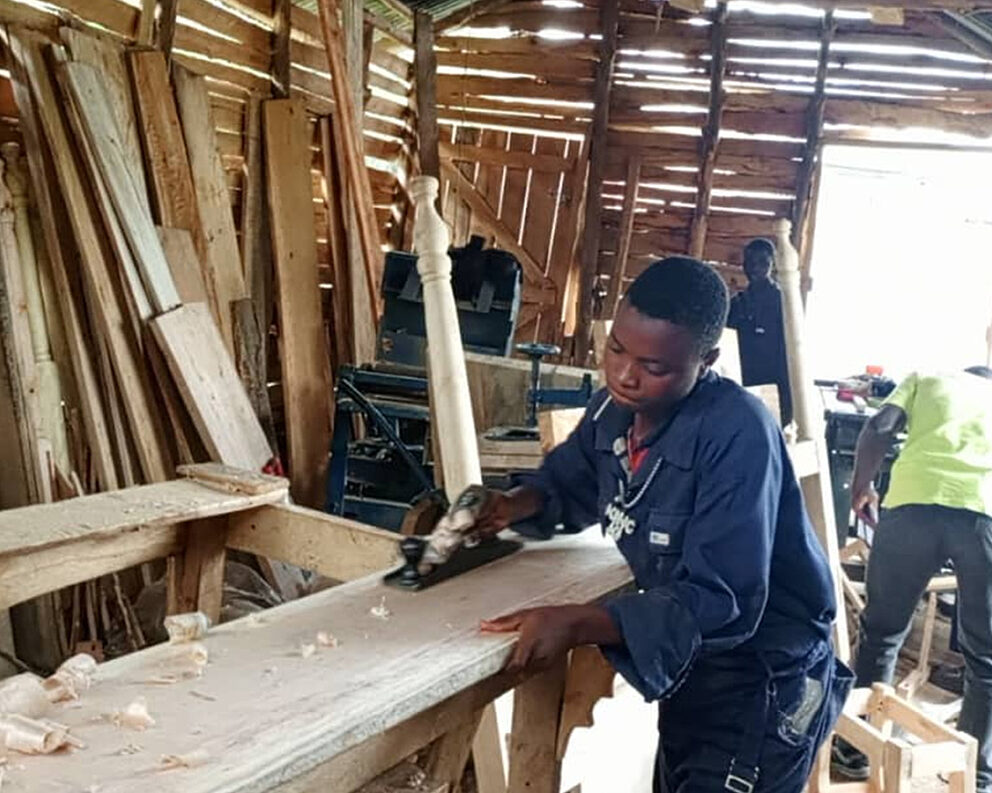
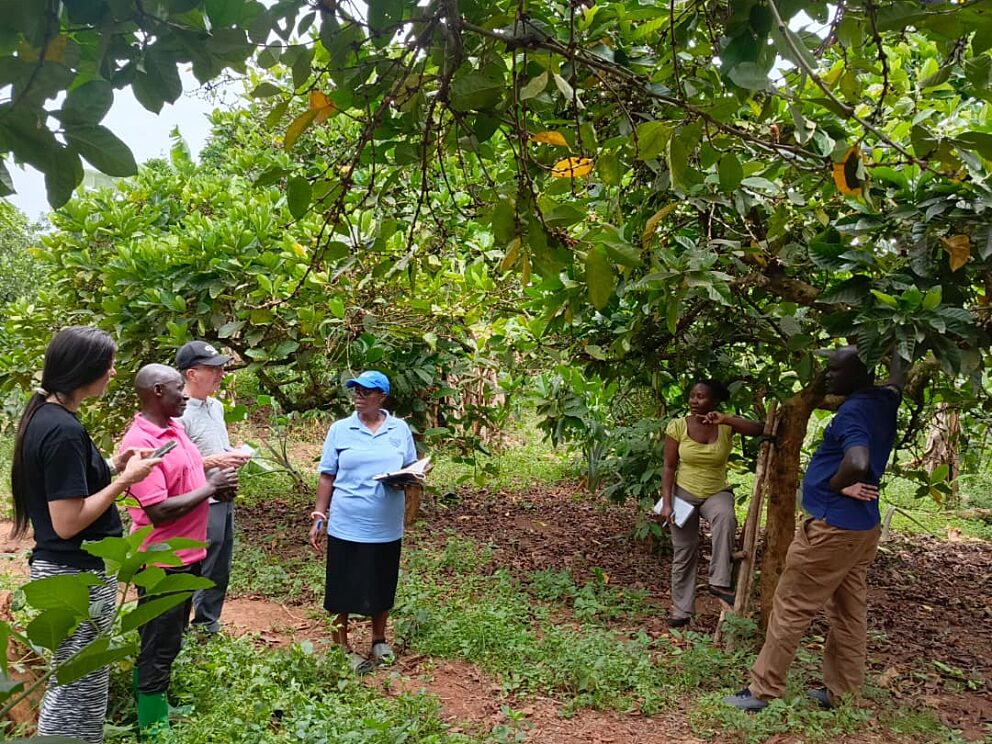
How Volcafe's Youth Farmer Programme in Uganda is breaking the cycle of child labour in the Rwenzori coffee belt, one skilled trade at a time.
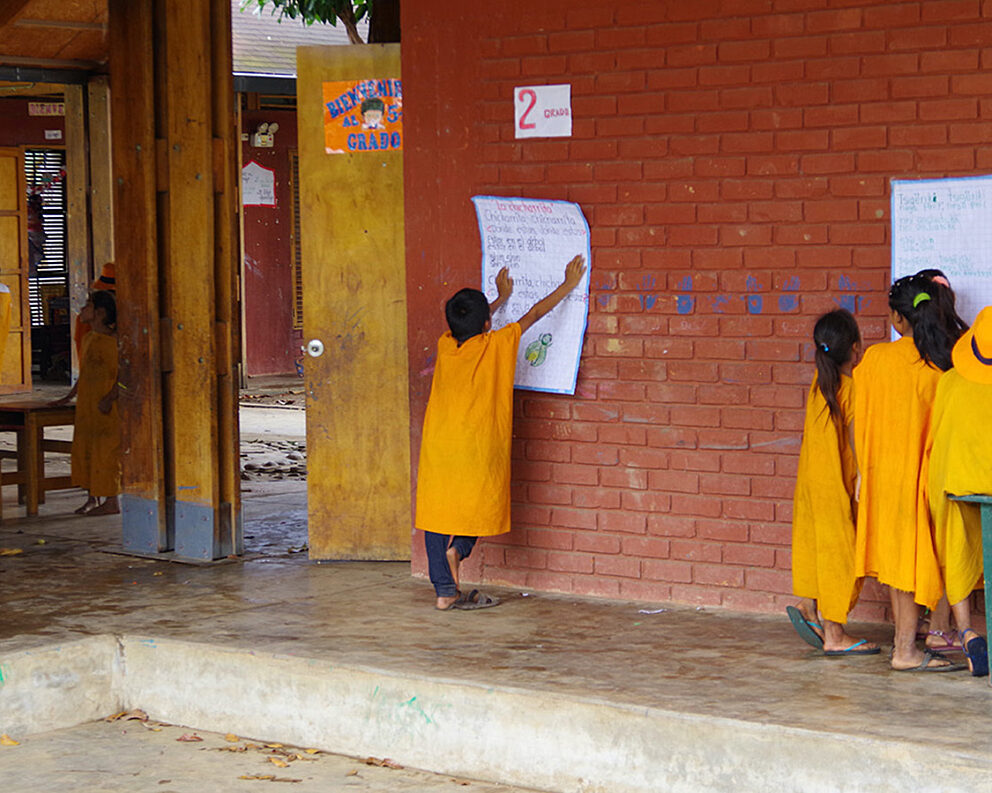
Through clever schools, the partnership promotes children's education in coffee communities
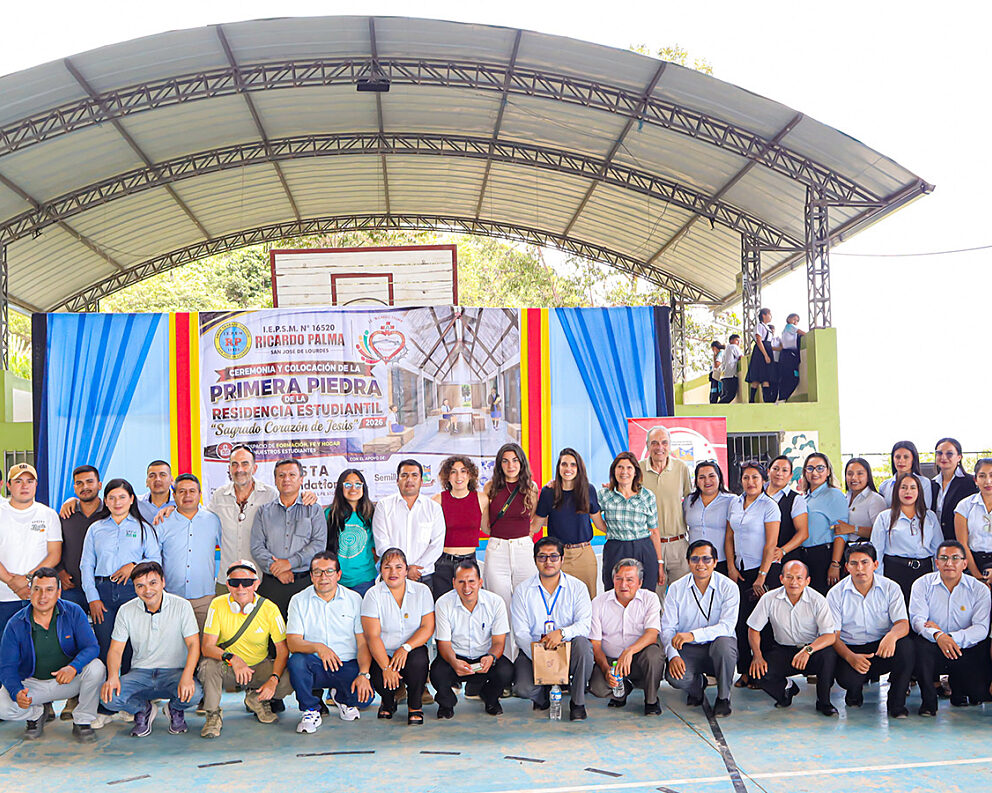
A new student residence in Cajamarca will help young people stay in school, strengthen opportunities for rural families and support efforts to address child labour risks in coffee-growing communities.
Spotlight
How Volcafe's Youth Farmer Programme in Uganda is breaking the cycle of child labour in the Rwenzori coffee belt, one skilled trade at a time.
Through clever schools, the partnership promotes children's education in coffee communities
A new student residence in Cajamarca will help young people stay in school, strengthen opportunities for rural families and support efforts to address child labour risks in coffee-growing communities.