

Addressing Child Labour in our Supply Chains
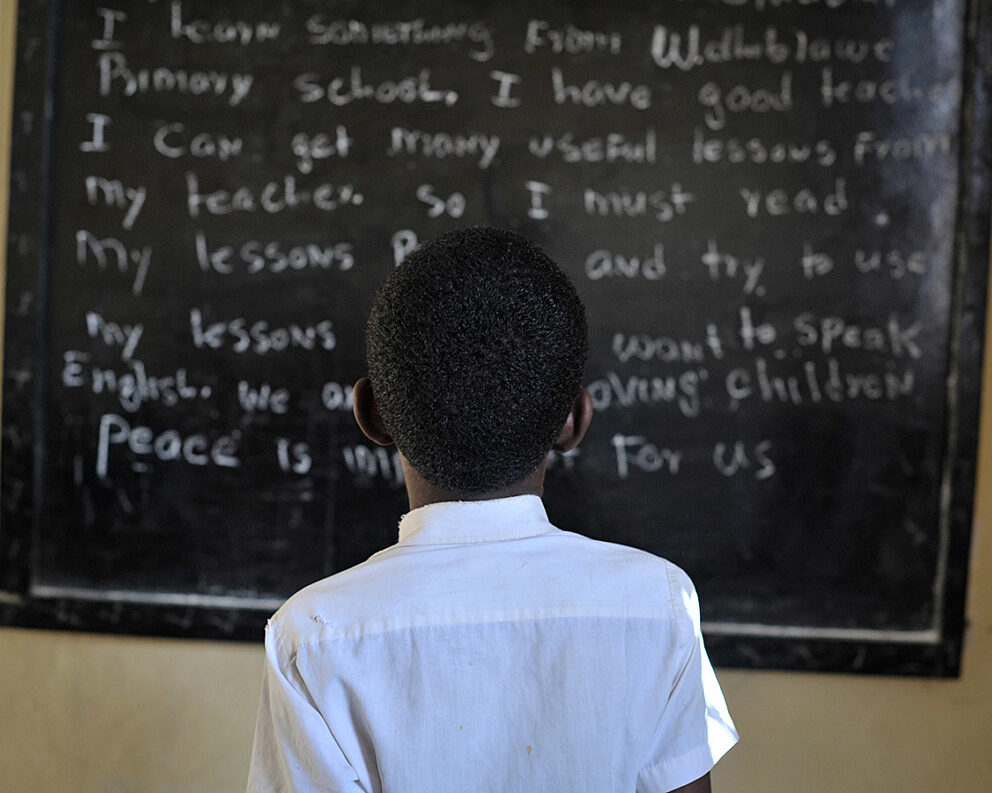
Image: Public Domain, AU UN IST PHOTO / Tobin Jones via Flickr
The International Labour Organization defines child labour as “work that deprives children of their childhood, their potential and their dignity and that is harmful to physical and mental development.”
Child labour refers to any work – hazardous or not – that is mentally, physically, socially, or morally harmful to children. It includes activities that disrupt their education by preventing them from attending school, forcing them to leave school early, or requiring them to juggle schooling with excessively long or demanding work.
Not all work tasks performed by children in a farming household is considered child labour. For example, helping in a family business, doing light tasks on a family farm, or earning some pocket money outside school hours or during holidays can be appropriate. When this kind of work is safe and age-appropriate, it can help young people learn useful skills, gain experience and contribute to their families.
In many regions, child labour is a deeply complex issue, rooted in a wide range of interconnected and longstanding development challenges. These include, but are not limited to poverty, limited access to education, gaps in essential infrastructure, and unequal economic opportunities – particularly in rural areas where such vulnerabilities are most acute. Most child labour in the coffee sector occurs in a household setting on smallholder farms.
Due to its complex nature, tackling child labour often requires a context-specific approach to address the root causes. This may require a holistic, multi-stakeholder approach that brings together governments, industry, civil society, and donor organisations to drive sustainable, long-term solutions.
Volcafe’s commitment
Volcafe is active in the fight against child labour in the coffee sector. We support the ending of child labour in line with the ILO conventions (138 and 182), UN guidelines such as the United Nations Guiding Principles on Business and Human Rights and local laws. We are committed to working with our partners towards the elimination of child labour from our value chains. Our objective is to safeguard child rights by encouraging transparency, accountability, and effectiveness, and our approach is guided by the principles of swift action, clear communication, and adherence to global standards and internal policies in line with the OECD Guidelines for Multinational Enterprises on Responsible Business Conduct.
Volcafe is committed to transparency in our supply chains and business operations. We have a zero-tolerance approach to child labour in our own business operations. We will not employ children under the age of 15. People aged below 18 are employed only in compliance with local law, UN guidelines and ILO conventions. They may only perform “light work”, must be properly supervised, and their work must not interfere with their health and safety, moral development or access to schooling. This zero-tolerance approach means we do not accept child labour under any circumstances including Volcafe’s own operations or as a condition of doing business and we expect that any identified instances are immediately and appropriately redressed (see below).
We are working to end child labour in our supply chains through due diligence, mitigation and remediation aligned with international standards. Our visibility of child labour throughout the value chain is improving due to our efforts to identify and reduce it, however, given the agricultural nature of the coffee sector, this remains incomplete; we are constantly working towards improving our visibility and understanding in a number of ways, including: building systems to assess child labour risk and identify potential cases, raising awareness in coffee farming communities on child labour, and remediating specific cases of child labour by addressing root causes.
Making an impact with farmers
Our approach
Volcafe’s approach to remediating child labour is aligned to the OECD due diligence guidance for responsible business conduct.
Volcafe operates under the overarching governance and compliance principles of Hartree and ED&F Man, complemented by Volcafe’s own operational protocols. These policies collectively emphasise ethical conduct, legal compliance, and proactive management of human rights risks, such as child labour, across all business units.
Volcafe therefore subscribes to the following Group Policies:
- Hartree Partners, LP Responsible Business Policy
- ED&F Man Standards of Business Conduct
- ED&F Man Sustainability Policy
- ED&F Man Responsible Sourcing Policy & Supplier Expectations
- ED&F Man Supplier Code of Conduct
- ED&F Man Modern Slavery Statement
All Tier 1 suppliers sign our Supplier Code of Conduct. In addition, producers in our responsible sourcing (RS) and certified value chains sign a Volcafe Way Producer Agreement. Both contain clear expectations regarding a zero-tolerance stance on child labour and steps to take should any instances be found.
Due Diligence systems: Through Volcafe’s due diligence system, we address child labour and strengthen resilience and accountability. Our due diligence system includes the following components:
Human Rights Due Diligence (HRDD): Building and continuously improving a framework, including procedures and processes aligned with the UN Guiding Principles on Business and Human Rights, OECD Guidelines on Responsible Business Conduct, and the Accountability Framework Initiative (AFi), addressing gaps and improving grievance tracking. Through this due diligence framework, our aim is to classify supply chains into low, medium, and high risk, based on country risk assessments, coupled with supplier risk assessments.
EUDR compliance: Volcafe’s comprehensive protocols are aligned with our obligations under the European Union Deforestation Regulation, including geolocation and deforestation verification, and a legality risk assessment that includes a child labour risk assessment per origin from which we source. Suppliers are required to confirm or adjust – with justification – the child labour risk for their own value chains. For suppliers that do not fall under EUDR, we apply our Human Rights Due Diligence Framework, as described above.
Traceability systems: Volcafe has traceability systems in place for the coffee that we source. In our Volcafe RS, certified and/or EUDR-compliant value chains we trace our purchases back to individual producers. Our traceability systems enable us to quickly assess specific allegations, incidents and/or grievances (where relevant) and understand the context and root causes of a specific case and implement relevant solutions. In other supply chains, Volcafe applies due diligence principles at a landscape level to identify and mitigate risks.
Volcafe Way: the majority of Volcafe’s origin entities have a strong ‘boots on the ground’ team. As part of implementing our Volcafe Way farmer support programme, they manage our Volcafe RS and certified supply chains. This includes the identification and monitoring of human rights issues, including possible instances of child labour in the field, through inspections and second and third-party verification.
We engage in the mitigation of child labour through the following systems:
EUDR compliance: Suppliers that supply coffee from value chains identified as having a medium or high risk of child labour are required to provide mitigation and remediation activities. Volcafe is building a risk-based audit protocol to verify supplier claims.
Volcafe Way: Our Volcafe Way field teams implement a wide range of mitigation and remediation approaches, including awareness and training campaigns targeting parents and supporting children’s access to education in our RS and certified value chains.
Training: A core component of Volcafe’s approach to child labour is raising awareness about child labour at the farm, household, and community levels. In order to conduct training at these different levels effectively, Volcafe employees are trained on the same topics; ensuring they understand key topics that fall under human rights and how risks might show up in its own operations, on farm or primary processing facilities. Volcafe works to build context-driven training materials on human rights, which can be diffused throughout the organisation, and to farming communities in numerous manners. As part of its approach, Volcafe plans on rolling out a “train the trainers” programme to improve the quality of training on human rights, across the origins in which we operate.
Individual remediation: when our field teams identify child labour on a farm that is part of our Volcafe RS and/or certified value chains, they work with the producer, their family and/or their workers to find a tailor-made solution to put in place any contextualised remediation efforts and/or that may support children to return to school.
Projects: In regions identified as having a medium or high risk of child labour, we initiate projects to address relevant root causes and work with stakeholders to strengthen our identification, mitigation and remediation approaches on child labour. Some examples include:
Multi-stakeholder projects to fight child labour in specific geographies, including Uganda
Support for coffee families and worker families to access daycare in specific geographies, including Costa Rica, Guatemala, and Peru.
- School projects to support school attendance.
- We have built 8 schools in the coffee growing areas of Peru
- We have supported the construction of over 15 schools in Vietnam since 1995.
- We support children from over 100 schools in Papua New Guinea to access clean, potable water
- We have improved sanitation facilities and supported sanitary pad projects to improve school attendance of girls in Uganda and Tanzania.
- Volcafe Way agronomy projects, gender and access to finance projects to improve household income and reduce poverty levels, a wide-spread root cause of child labour in specific geographies, e.g. the creation of hundreds of Village Savings and Loans Associations (VSLAs) in Tanzania and Uganda not only improves access to finance and women’s autonomy but also forms a strong entry point to fight child labour.
Sector initiatives: We are an active participant in sector initiatives to fight child labour. Examples include:
Child Labour / Rights Monitoring and Remediation Systems in specific geographies, such as in various regions of Uganda
Participation in the International Labour Organization’s Child Labour Platform > since 2024.
As part of our alignment to the OECD Guidelines on Responsible Business Conduct, Volcafe has developed both a whistleblowing policy and grievance mechanism.
The Volcafe policy follows the same process as the ED&F Man whistleblowing policy > via the SpeakUp mechanism.
Our grievance mechanisms operate at global, national and local levels:
SpeakUp: A global grievance mechanism operated by an independent third party (People Intouch), guaranteeing confidentiality for stakeholders and employees raising concerns. This system is complemented by local grievance channels within our entities. SpeakUp is available here >
National and local grievance systems: Regional mechanisms, including local grievance boxes and local contact numbers, ensure accessibility and responsiveness to local issues, feeding into global oversight for transparency and continuous improvement.
Finally, we track and communicate our progress on addressing child labour through our Monitoring, Evaluation and Learning Framework.
Monitoring, Evaluation, and Learning (MEL): Continuous assessment and feedback loops that allow us to record identified cases of child labour and track the follow up of these cases. Our aim is to track how many identified cases have been resolved over the course of the year.
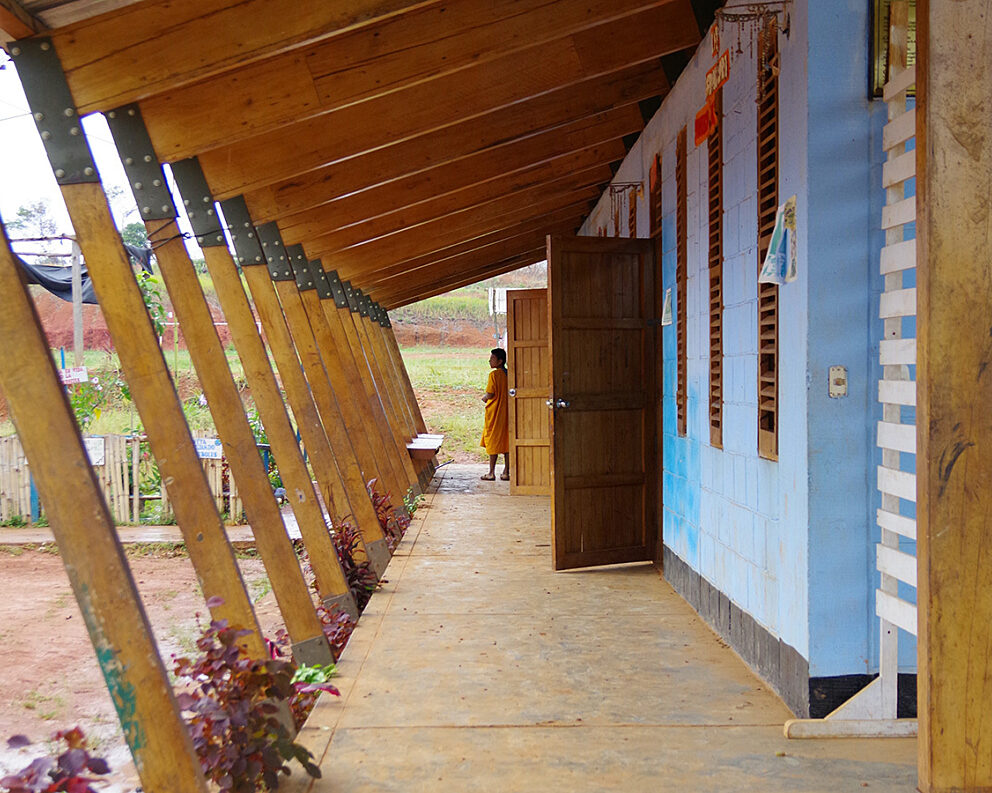
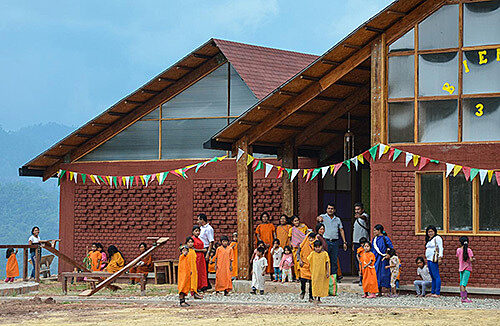
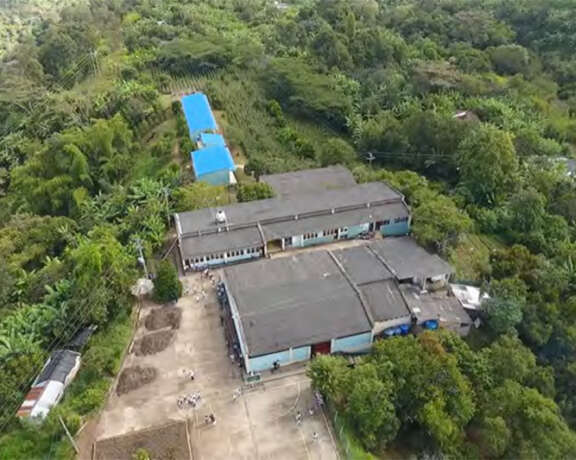
Costa Foundation and Carcafe partnered to build a new school in Nariño. Image: Carcafe
Promoting and upholding human and labour rights
At Volcafe, we are committed to promoting and upholding human and labour rights across our operations and throughout our global supply chains. Our recent Double Materiality Assessment highlighted forced labour as a material and priority risk within green coffee supply chains, driven by systemic vulnerabilities such as informal labour arrangements, reflecting the structural weaknesses that can expose workers to exploitation. Recognising the seriousness and potential impact of this issue, we are strengthening our due diligence efforts to support the proactive identification, prevention and addressing of forced labour risks.
Volcafe maintains a strict zero tolerance policy toward any form of forced labour in our operations, and we are working towards ending forced labour in coffee supply chains. As part of our Human Rights Due Diligence framework – and in alignment with the Corporate Sustainability Due Diligence Directive (CSDDD) –we are implementing and strengthening, global and local, transparent and accessible grievance mechanisms that enable concerns to be raised safely and without fear of retaliation.
As part of our HRDD process, we are strengthening how we train Volcafe staff on forced labour so there is a harmonised understanding of the risk across origins. These trainings will promote continuous improvement, meaning we continue to train year-on-year. Through our extensive network of technicians in the field, we are developing and delivering tailored training for the farmers and suppliers with whom we partner. These sessions focus on building awareness of labour rights, strengthening responsible recruitment and employment practices, and supporting suppliers in recognising early warning signs of labour exploitation.
In parallel, we are mapping and assessing potential referral systems and support services in countries where Volcafe has origin operations and where forced labour cases have been identified, ensuring that credible support pathways are available to correctly handle any identified risks or violations. By reinforcing these mechanisms and building local partnerships with governments and NGOs, we aim to resolve any reported case promptly, responsibly, and in line with international human rights standards. We support the International Labour Organization's (ILO) approach including the ILO conventions 138 and 182, the United Nations Guiding Principles on Business and Human Rights, and relevant local laws and guidance such as US Customs and Border Protection Guidance.
Spotlight
Green coffee merchant joins leading initiative from ILO to work toward the eradication of child labour.
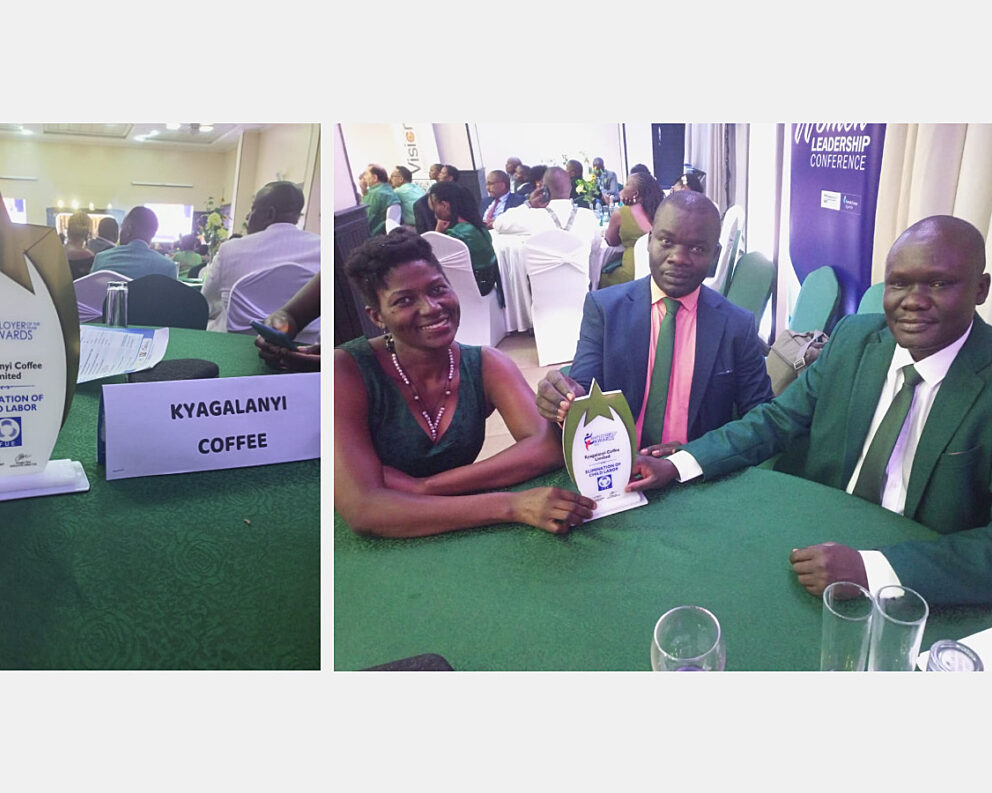
Kyagalanyi Coffee given prize by national employers federation
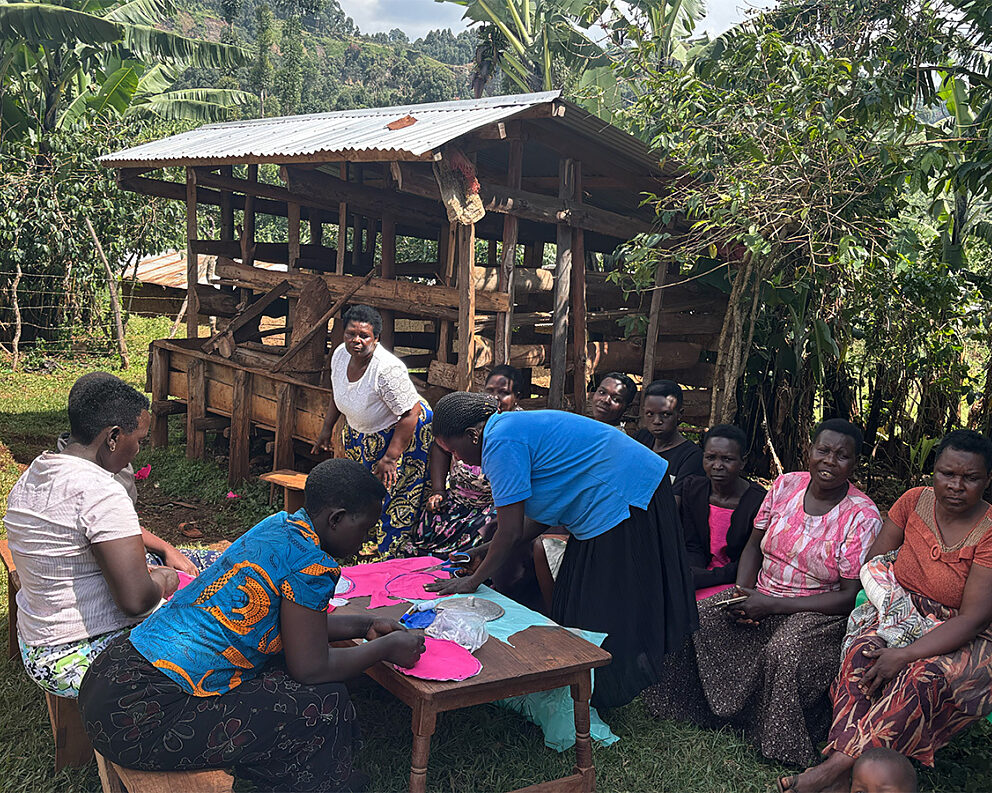
Village Savings and Loan Associations empower communities to tackle local challenges and support girls’ education.
Spotlight
Green coffee merchant joins leading initiative from ILO to work toward the eradication of child labour.
Kyagalanyi Coffee given prize by national employers federation
Village Savings and Loan Associations empower communities to tackle local challenges and support girls’ education.