

Building a more climate-resilient coffee future in Uganda
Connecting research, farming expertise and market access to create lasting impact
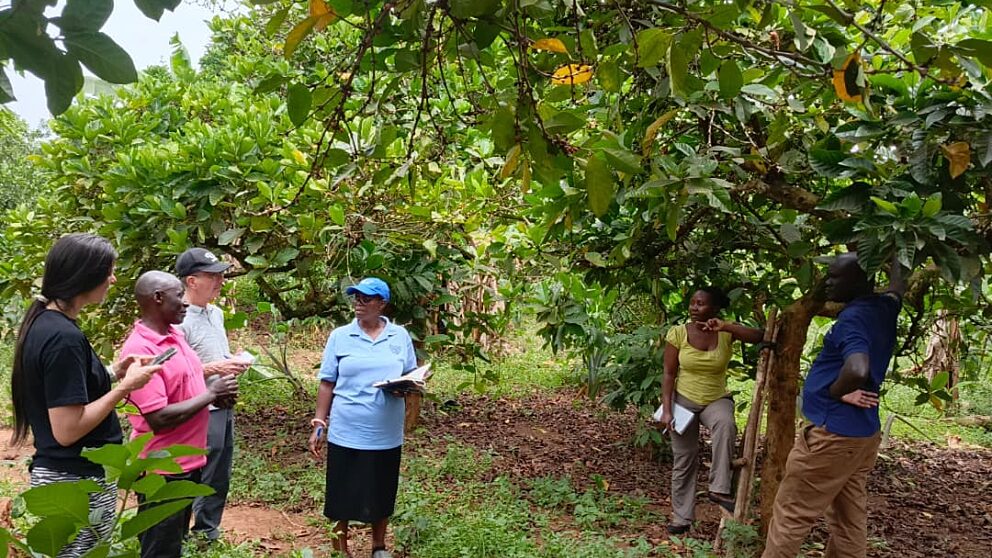
Field visit under a mature Excelsa tree in Uganda
Climate change is creating new challenges for coffee-growing communities around the world. In Uganda, a unique partnership is exploring how Excelsa (Coffea dewevrei), an indigenous coffee species, could help strengthen resilience while creating new opportunities for farmers.
Science, Farmers and Markets Working Together
Supported by the Calleva Foundation, the project brings together the scientific expertise of the Royal Botanic Gardens Kew, local research from NARO and Makerere University, and Volcafe's experience working directly with farmers and coffee markets. Together, the partners work to bridge the gap between research and real-world impact.
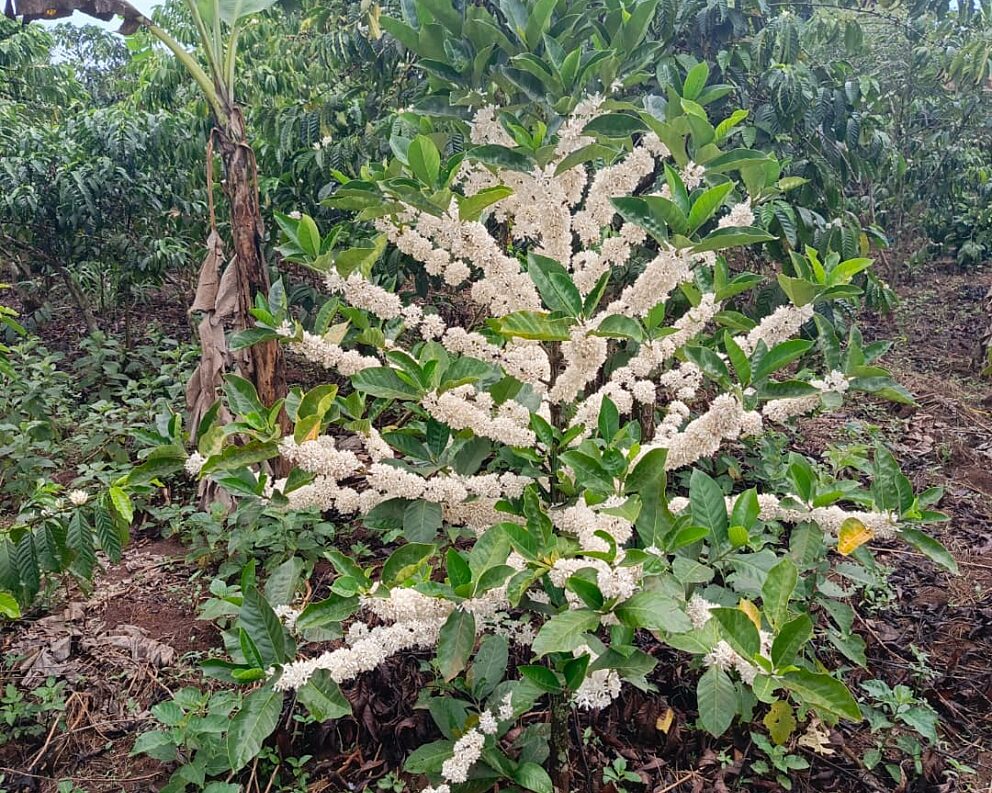
Excelsa (Coffea dewevrei) in bloom
Creating Impact Beyond the Farm
The project is already delivering tangible results. More than 300 farmers are participating in the initiative, receiving training on agronomy, post-harvest handling and sustainability-related practices. Since 2024, Volcafe in Uganda has purchased over 135,000 kg of Excelsa coffee, generating more than UGX 1 billion in revenue for participating farming households.
Beyond these immediate benefits, the partnership is helping build the foundations for the future of Excelsa in Uganda. Through research, improved planting materials, farmer support and investment in post-harvest infrastructure, the project aims to strengthen climate resilience, expand opportunities for farming communities and support the development of a structured Excelsa value chain.
For farmers, Excelsa offers hope and opportunity in the face of a changing climate. It provides a chance to increase incomes, strengthen resilience, and remain in coffee production for generations to come. For Uganda, Excelsa has the potential to become part of a climate-smart coffee sector and a new source of growth in the global coffee market.
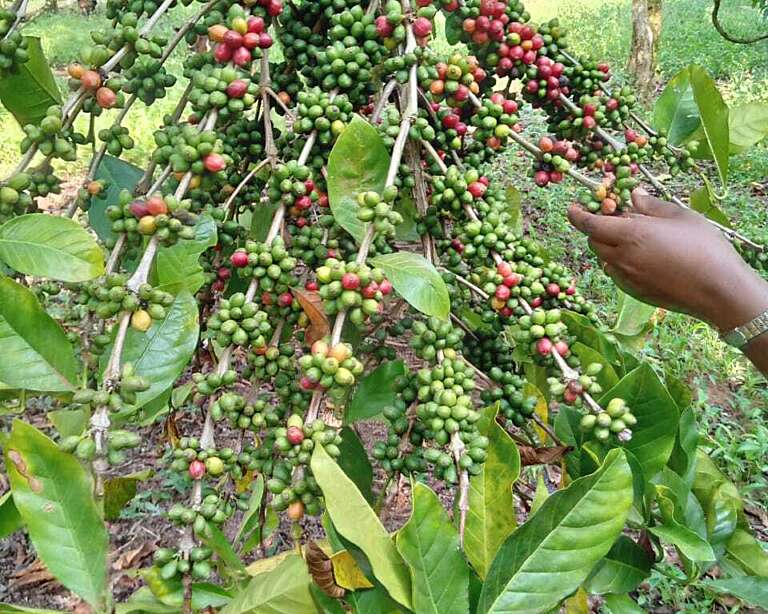
Excelsa coffee cherries growing in Uganda.
Excelsa's ability to thrive in hotter and drier environments offers a potential pathway to diversify coffee production while strengthening resilience in coffee-growing communities. Its deep root system and drought tolerance make it particularly well suited to hotter, drier and lower-altitude growing areas.
The project works with more than 300 farming households in Zirobwe, in Uganda's Luweero District, where 299 acres of Excelsa coffee have been mapped under the project. Farmers also receive training in agronomy and post-harvest practices, helping strengthen knowledge and quality across the local supply chain.
Beyond Arabica and Robusta
While Excelsa remains an emerging crop, the ambition behind the project goes far beyond increasing volumes. For generations, global coffee production has relied primarily on two species: Arabica and Robusta. Through collaboration between researchers, farmers and industry partners, the Excelsa project explores how an indigenous Ugandan coffee species could contribute to greater resilience and diversification across the coffee value chain.
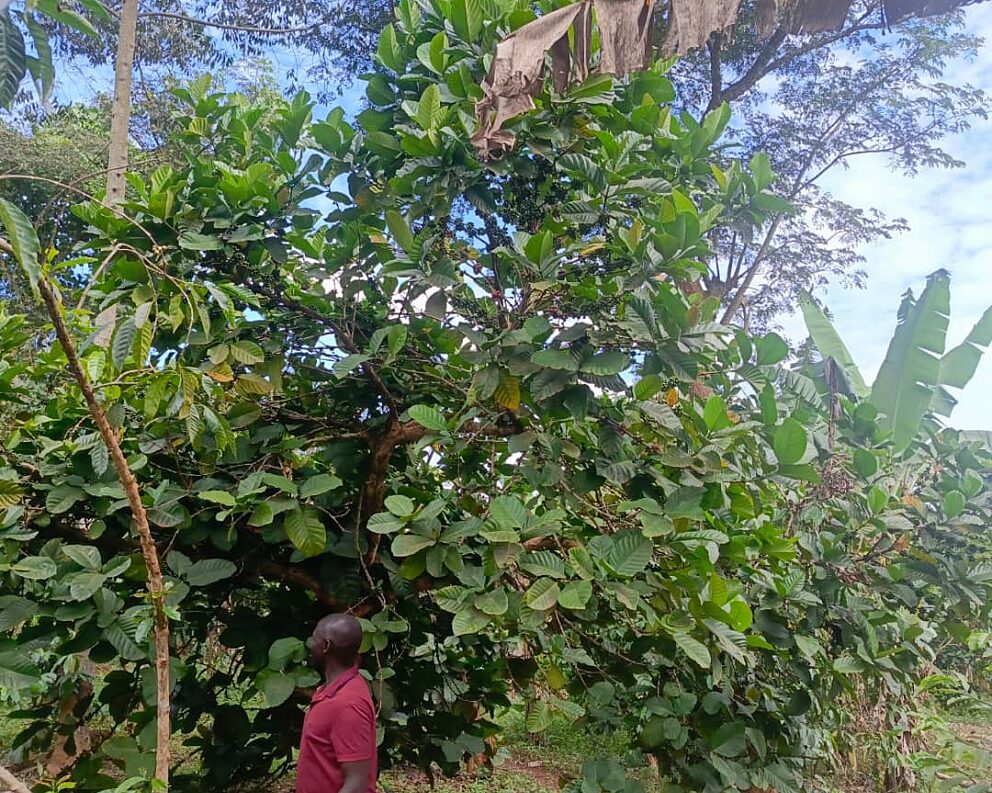
A mature Excelsa tree in Uganda, showing its characteristic size.
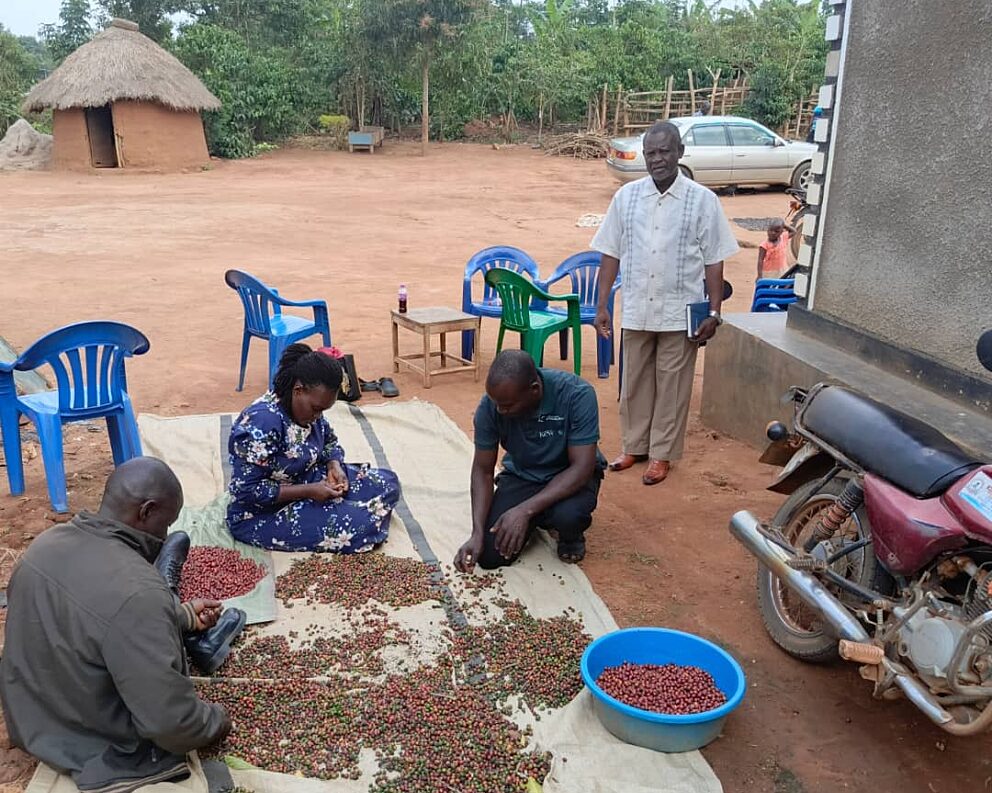
Sorting Excelsa coffee cherries.
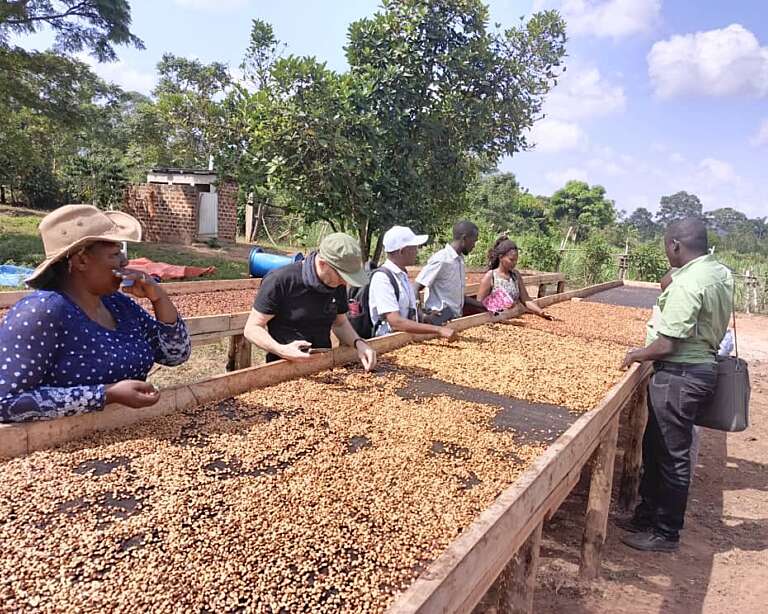
Sun-dried Excelsa coffee in Uganda’s Luweero District.
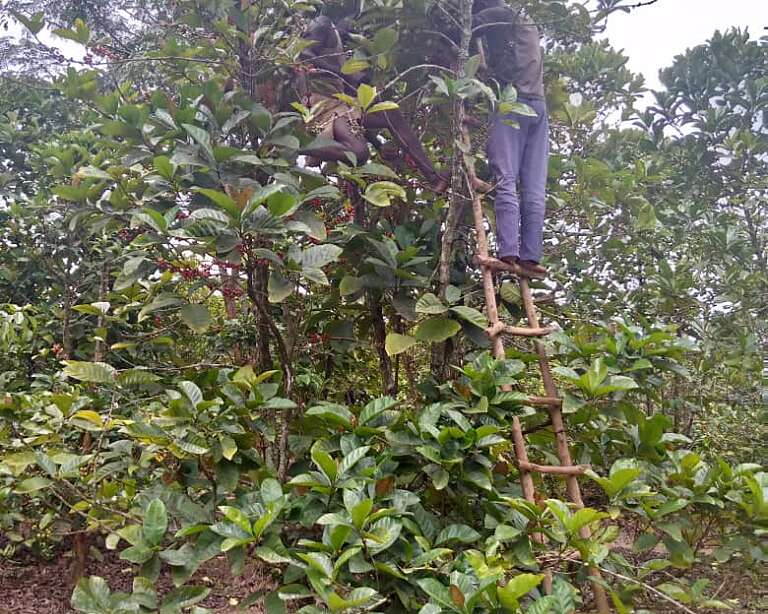
Harvesting from a mature Excelsa tree in Uganda.
Marie Renou-Ullrich, Head of Marketing and Communications, email hidden; JavaScript is required
Related news:

Spotlight
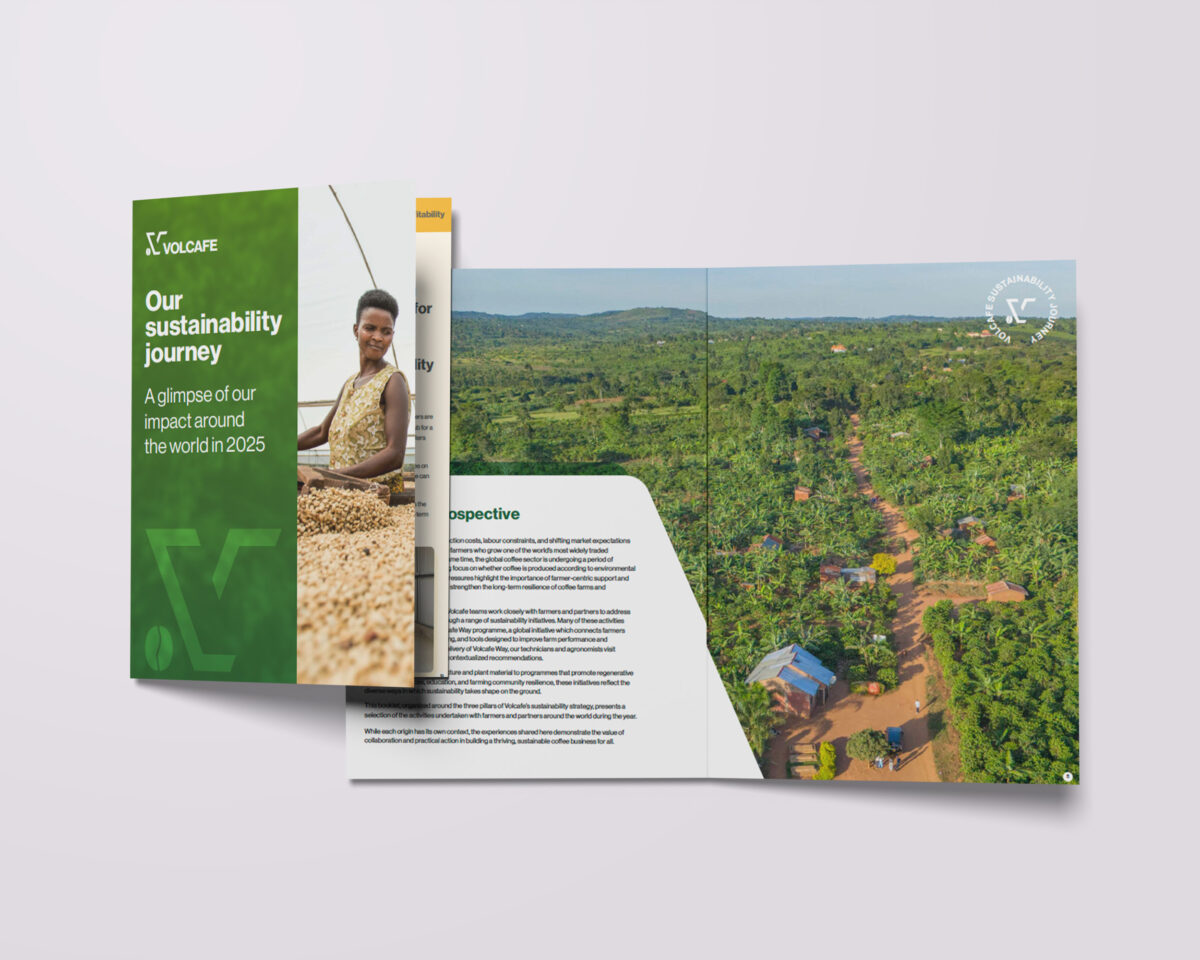
Discover our latest Sustainability Highlights from across the Volcafe network
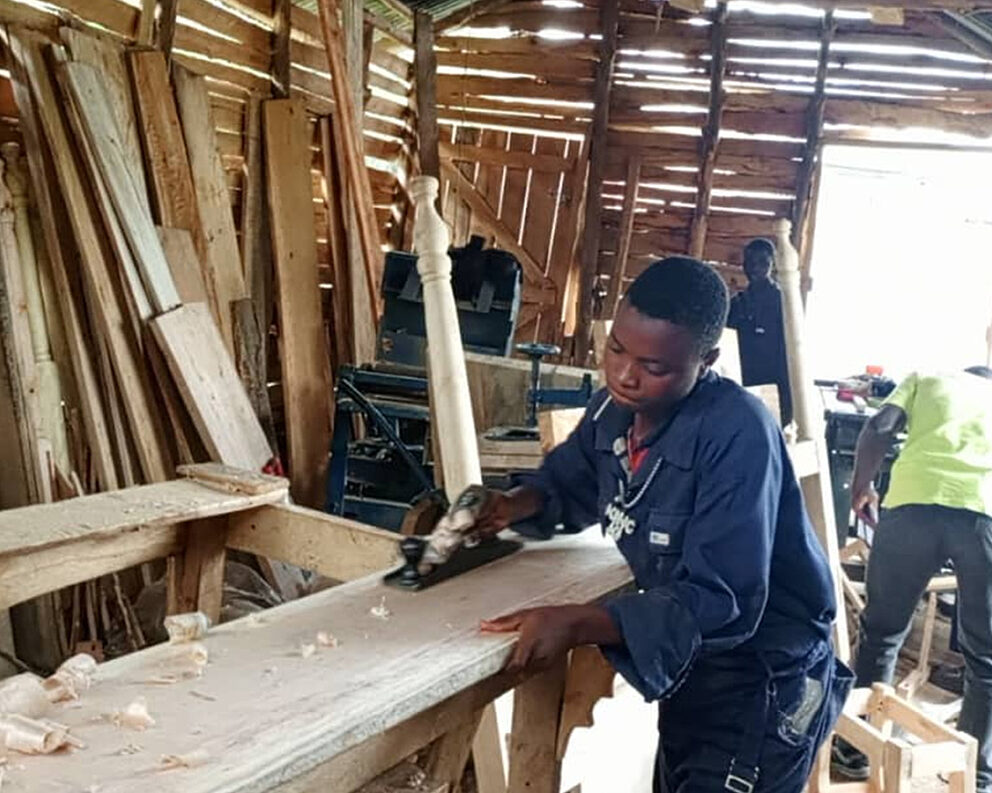
How Volcafe's Youth Farmer Programme in Uganda is breaking the cycle of child labour in the Rwenzori coffee belt, one skilled trade at a time.
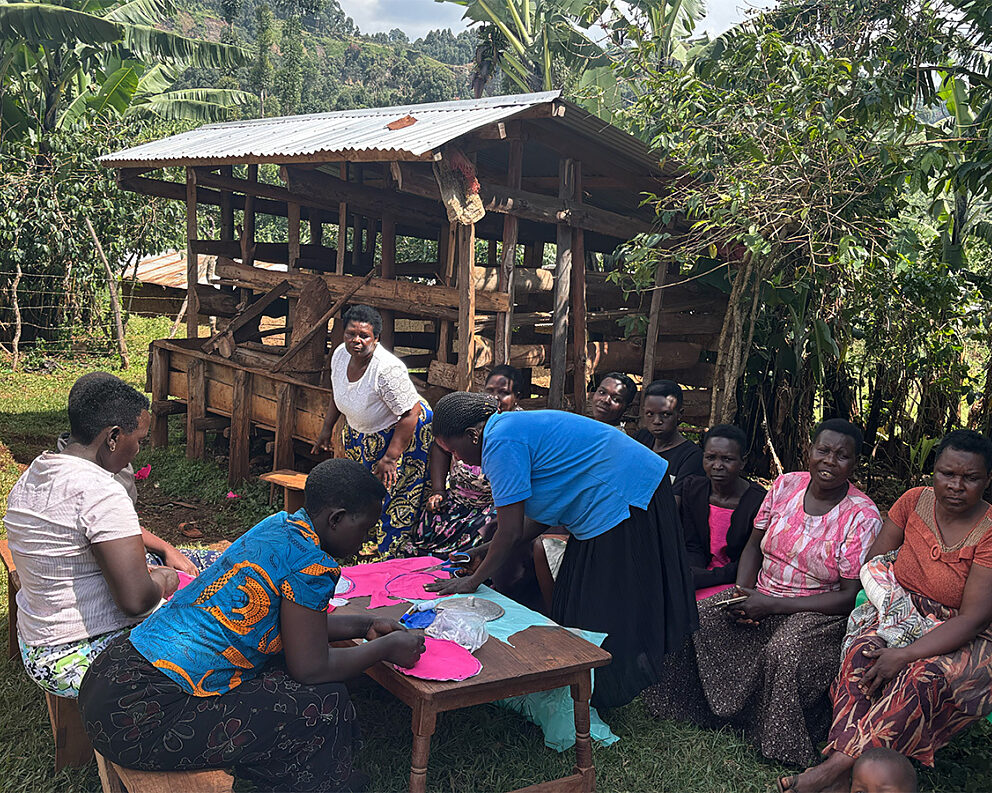
Village Savings and Loan Associations empower communities to tackle local challenges and support girls’ education.
Spotlight
Discover our latest Sustainability Highlights from across the Volcafe network
How Volcafe's Youth Farmer Programme in Uganda is breaking the cycle of child labour in the Rwenzori coffee belt, one skilled trade at a time.
Village Savings and Loan Associations empower communities to tackle local challenges and support girls’ education.