

Advancing gender equity
Volcafe’s commitment
Volcafe is committed to advancing gender equity throughout the value chains in which we operate. Starting in 2027, the Global Sustainability Team will begin disaggregating gender-related investments as part of its budgeting and expense reconciliation processes, ensuring greater transparency and accountability.
Within Volcafe’s supply chains
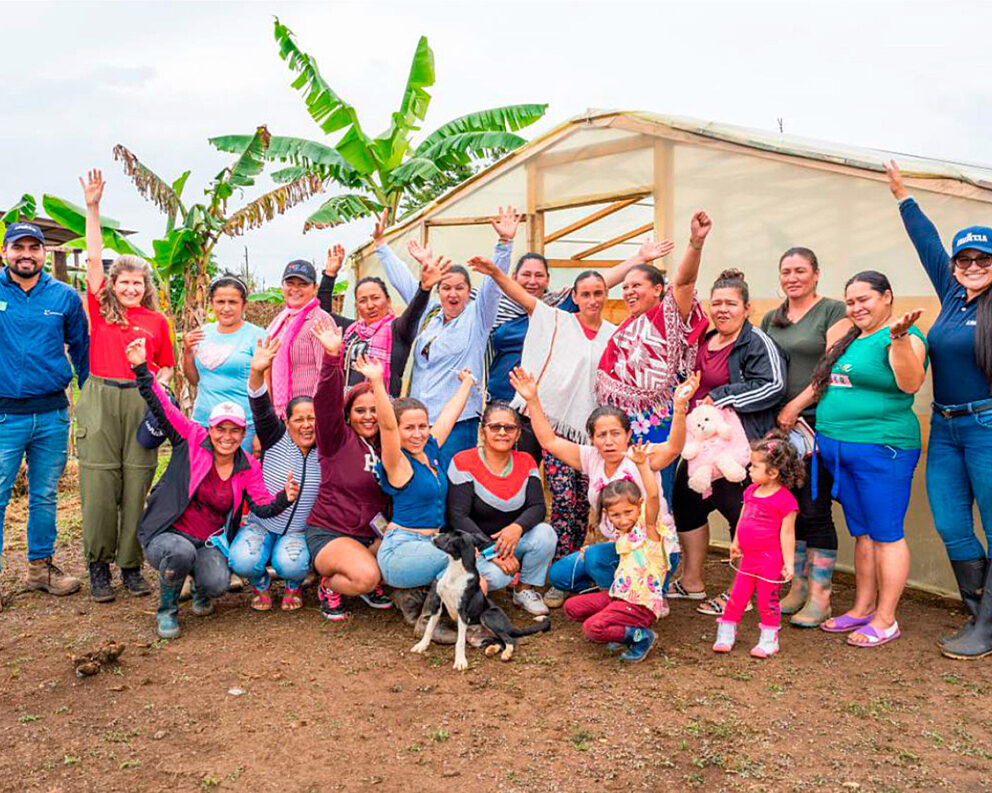
Women are critical members of the coffee supply chain. Research shows that investments in women and gender-focused initiatives can have strong multiplier effects on the well-being of rural households, contributing to improved productivity, higher household incomes, and better school attendance for children.
Despite the key role women play in coffee farming households, their contributions, both on and off the farm, are often overlooked. While gender was not identified as a key risk in Volcafe’s Double Materiality Assessment, we recognise that effective strategies must consider the entire household. For this reason, Volcafe is currently developing a gender roadmap to guide our work through 2030.
Current work
Globally, Volcafe is working to further embed gender in its sustainability strategy. Some origins work in a very gender strategic manner, while others in a gender sensitive manner. The idea is for 2027 to be a year in which we become more gender strategic.
We recognise that gender equity is a powerful catalyst for thriving farming households, and Volcafe has already invested across origins in a diverse range of impactful gender initiatives. The following examples highlight how we are actively promoting gender equity throughout the value chain today.
In Tanzania and Uganda, we apply the Gender Action Learning System (GALS) methodology to deliver targeted trainings that strengthen women’s financial literacy, build confidence, and support their path toward financial independence. Since 2022, Volcafe has also facilitated the creation of over 500 Village Savings and Loan Associations (VSLAs) across two regions, expanding women’s access to community-based financial support. Within several VSLAs, members developed handmade, reusable sanitary pads to support girls’ school attendance, recognising that lack of access to menstrual products remains a major obstacle to education.
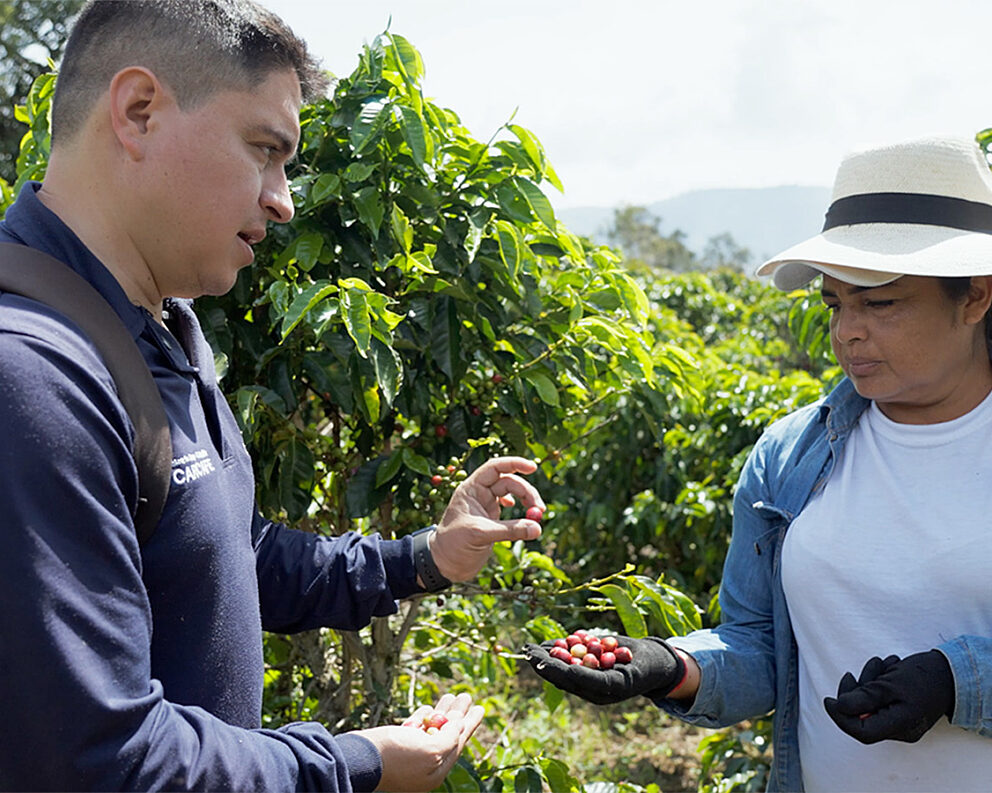
In Guatemala, we help establish women-only coffee producer groups and equip them with targeted training through our Volcafe Way technicians. This support has led to higher quality coffee, increased productivity, and stronger incomes. We then promote and market their coffee internationally, amplifying their reach and impact. With successful offtake from destination markets like the US, UK, Germany and Japan. The renewal of Volcafe’s sustainability linked loan will also include a KPI connected to this initiative.
In Honduras, through the Paraiso Verde project, we train farmers to enhance productivity and profitability while integrating a strong focus on gender equity throughout the programme.
In Central America, we set up daycare facilities for the children of migrant workers, easing childcare burdens for women and safeguarding children from the risk of child labour. Volcafe in Costa Rica was further recognised with the UNHCR Inclusion Prize for its contribution to the Vivir la Integración programme, advancing employment opportunities for refugee communities, including women.
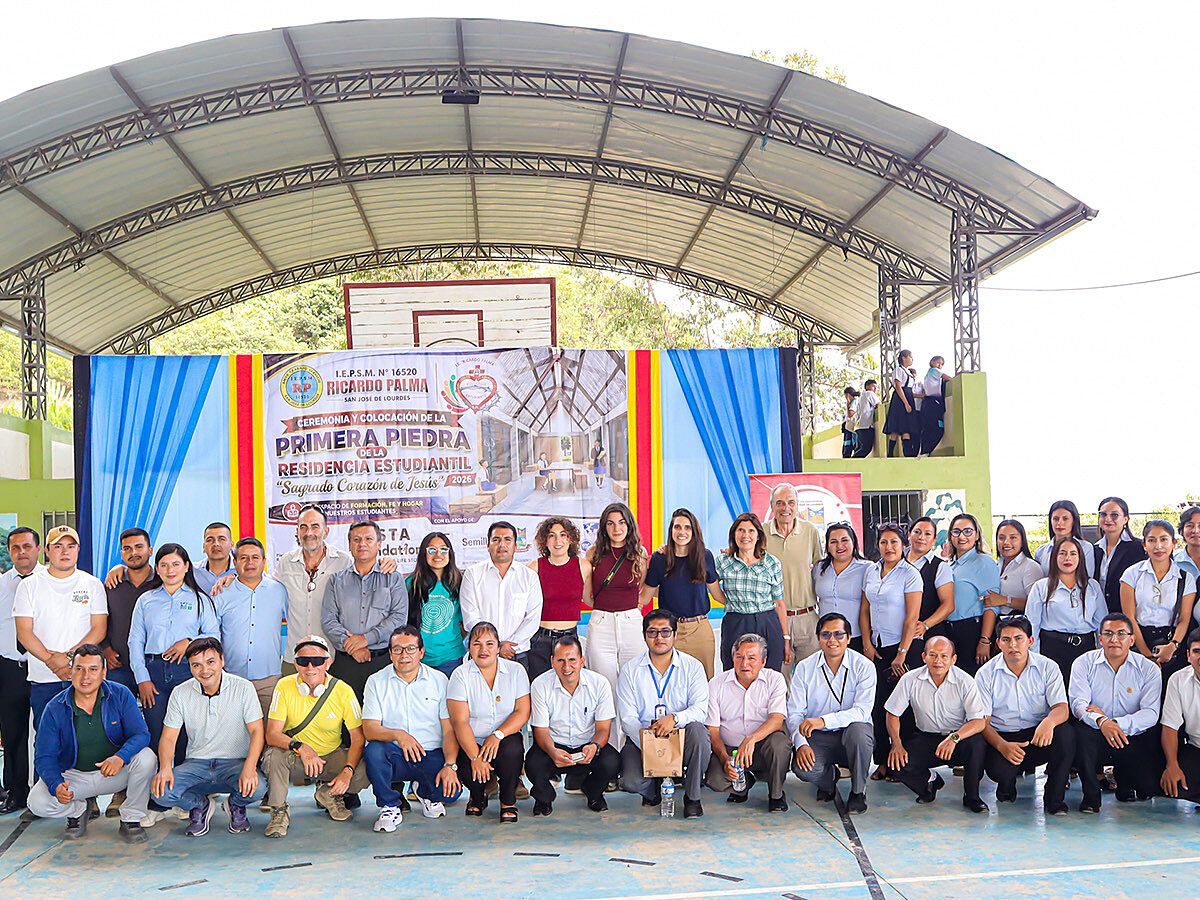
In several origins, we place a particular focus on access to education for girls, recognising that they frequently face the most significant obstacles to attending school and completing their schooling.
In many origins – including Colombia, Costa Rica, and Uganda – we have already carried out gender risk assessments and gender value chain analyses. These assessments provide critical insights that inform our gender strategy and guide the remediation measures we put in place across our operations and supply chains. In 2027 we plan to rollout the same initiatives across all other origins.
Finally, through Volcafe’s confidential grievance mechanism, SpeakUp, women throughout the value chain are able to safely raise concerns and file complaints, ensuring their voices are heard and their rights protected.
Next steps
Volcafe is developing a gender roadmap to guide our work through 2030.
We will begin with a cross-origin gender risk assessment, prioritising origins that have not yet undergone this process, building on existing assessments where they already exist, and covering women in both farming households and farm labour roles. These insights will define priority actions per origin and ensure our teams can deliver gender-sensitive programmes effectively.
Our Volcafe Way teams – responsible for training and supporting coffee producers – receive gender-focused capacity building. The Global Sustainability team plans to further reinforce this training programme in 2027 as part of the development of Volcafe’s gender strategy. Essential to this, is that origins are stimulated to share with and learn from one another.
Our long-term vision is for Volcafe Way – supported by our Monitoring, Evaluation, and Learning Framework – to drive meaningful gender transformation across the coffee supply chains we serve
Related news:

Spotlight
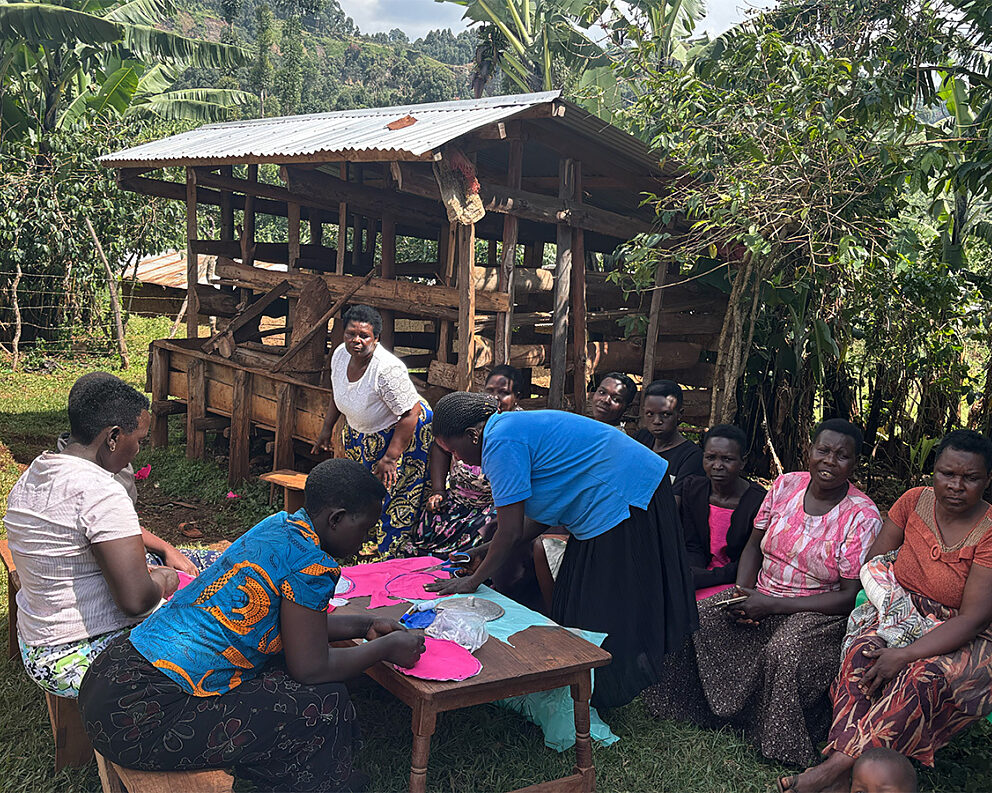
Village Savings and Loan Associations empower communities to tackle local challenges and support girls’ education.
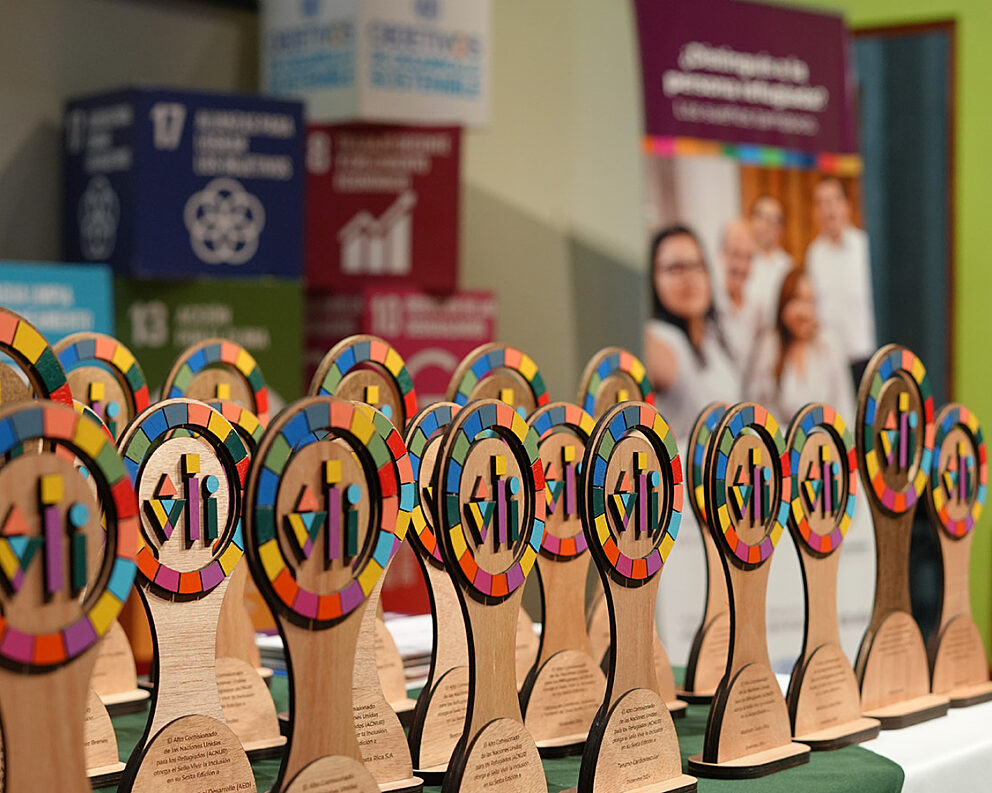
UN refugee agency recognises our Costa Rican company’s promotion of inclusion.
Spotlight
Village Savings and Loan Associations empower communities to tackle local challenges and support girls’ education.
UN refugee agency recognises our Costa Rican company’s promotion of inclusion.